Thaipoosam Cavadee
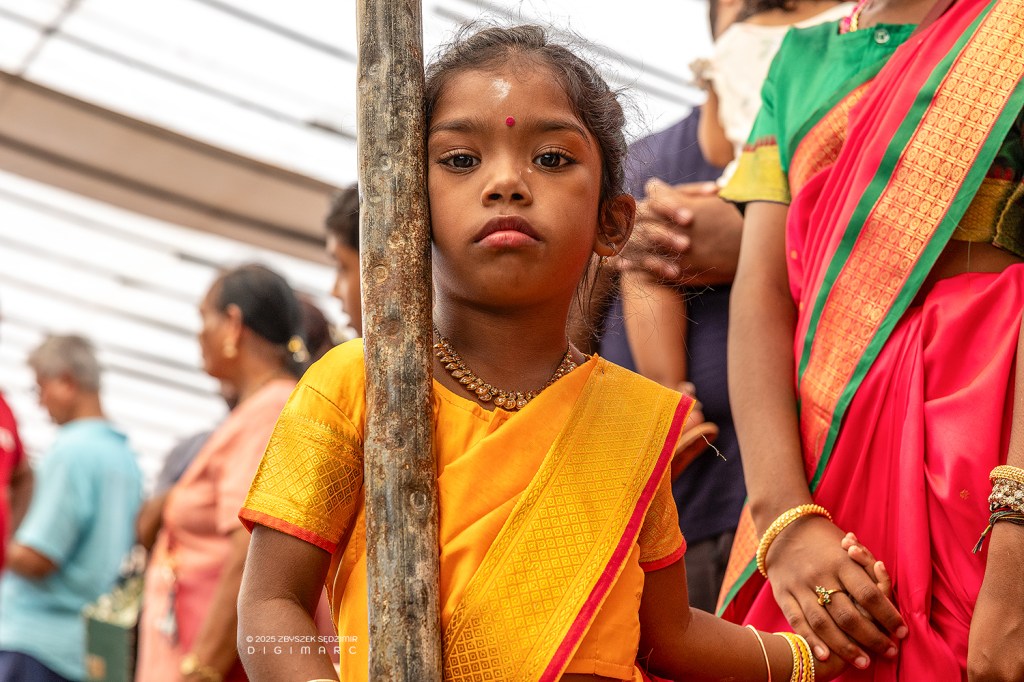
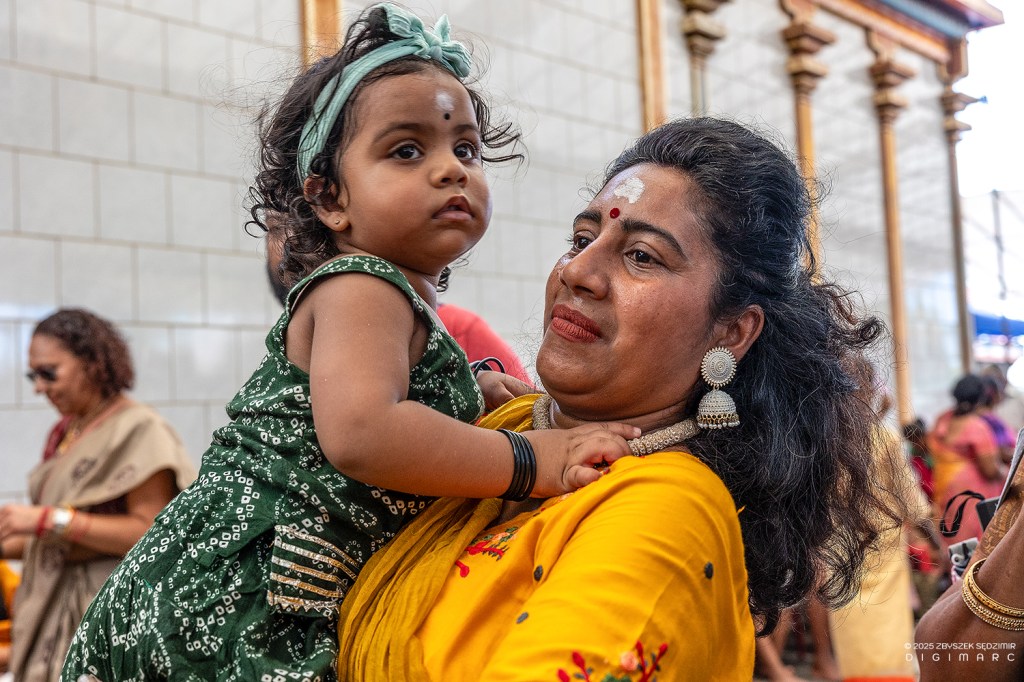
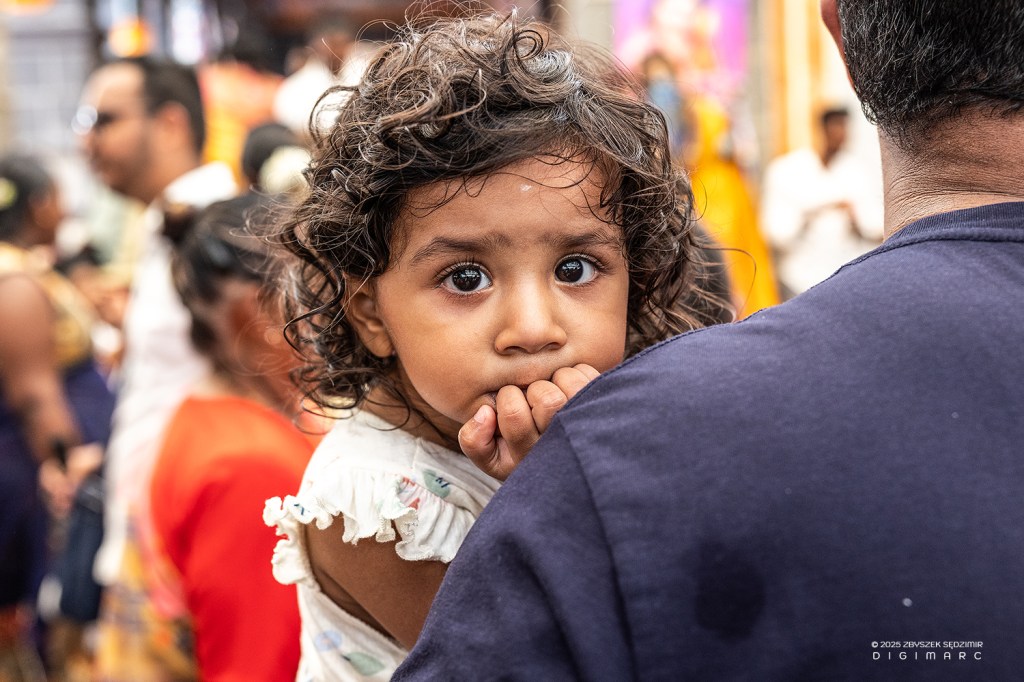
Amid an atmosphere of deep fervor and devotion, Mauritians of the Tamil faith celebrate Thaipoosam Cavadee, a festival held in honor of Lord Muruga, the son of Shiva and Parvati. Of all the celebrations observed by the Tamil community, Thaipoosam Cavadee stands out as the most popular and the most vibrant, marked by its profound spirituality and acts of sacrifice.
Fasting and Preparation
The Thaipoosam Cavadee festival is preceded by a demanding ten-day fast, a period devoted to purification and spiritual discipline. The observances begin with Koddi Ettram, a ritual that marks the official start of this sacred time, which took place last Sunday.
Throughout these ten days, devotees embrace an austere lifestyle. They rise before dawn to offer prayers and seek forgiveness from God. Their meals consist exclusively of simple vegetarian dishes prepared at home. Entertainment and worldly pleasures are set aside, allowing them to focus on strengthening both spirit and willpower. As a further sign of humility and detachment from material comforts, many sleep on the bare floor, resting only on a fresh mat.
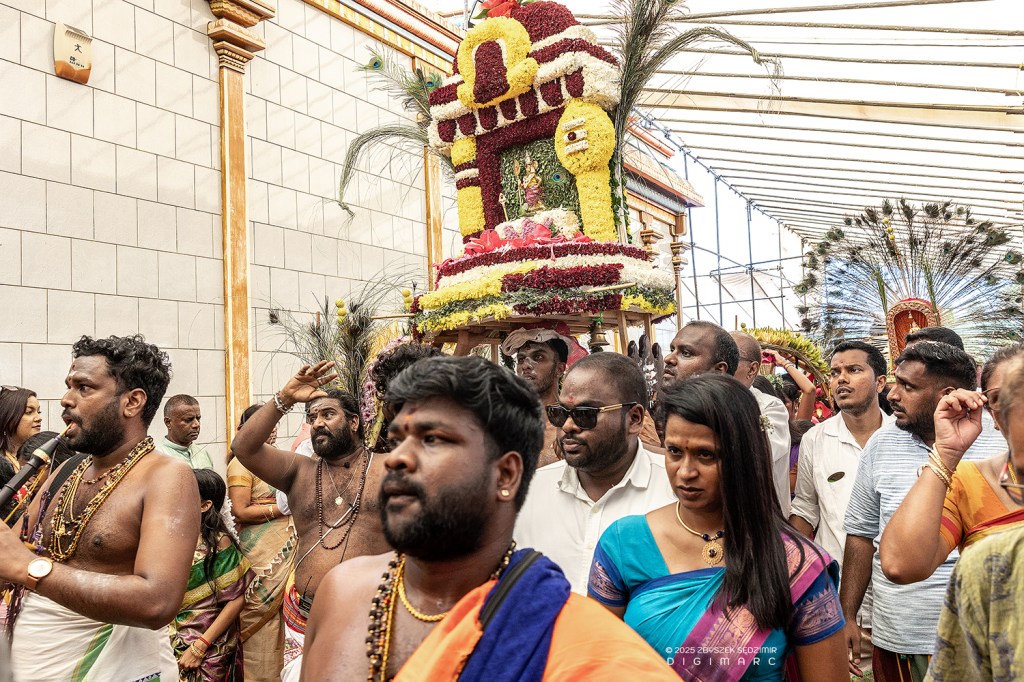
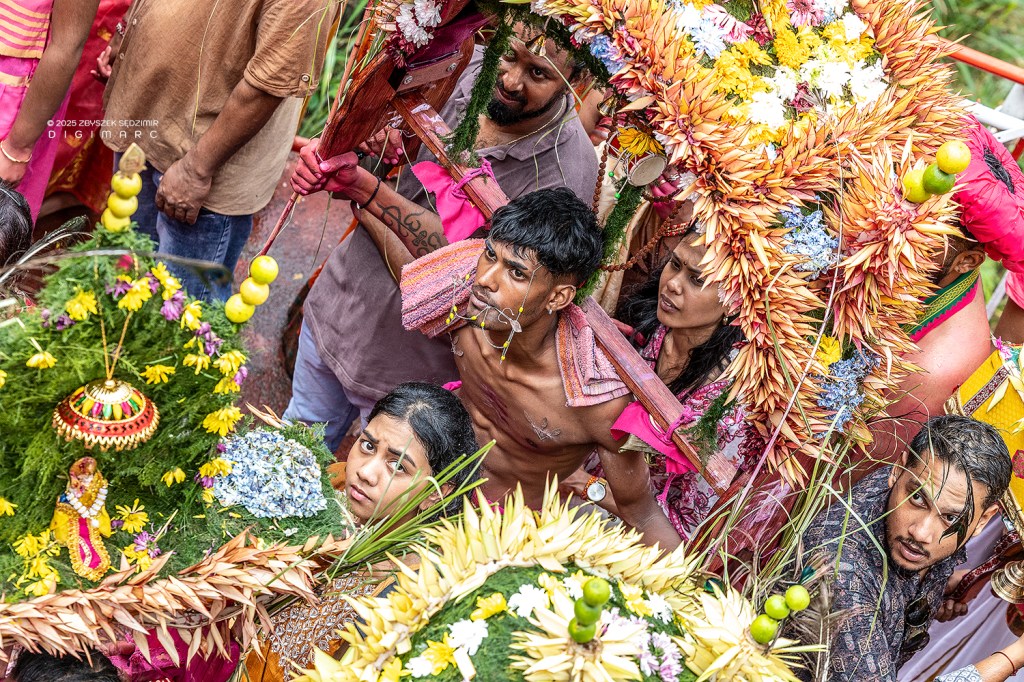
On the eve of Cavadee, preparations reach their peak. Families and devotees gather to construct the Cavadee itself—a sacred wooden structure adorned with fresh flowers and banana leaves. The term Cavadee derives from the Tamil words Kaavu (“to carry”) and Thadi (“piece of wood”), reflecting both its symbolic and physical significance in the rituals to come.
The Day of Cavadee: A Pilgrimage of Faith
At dawn on Cavadee day, devotees begin their spiritual journey with a ritual bath before making their way to the river for purification rites. The air is charged with emotion, echoing with the sound of chants and prayers that set the rhythm for the day’s observances.
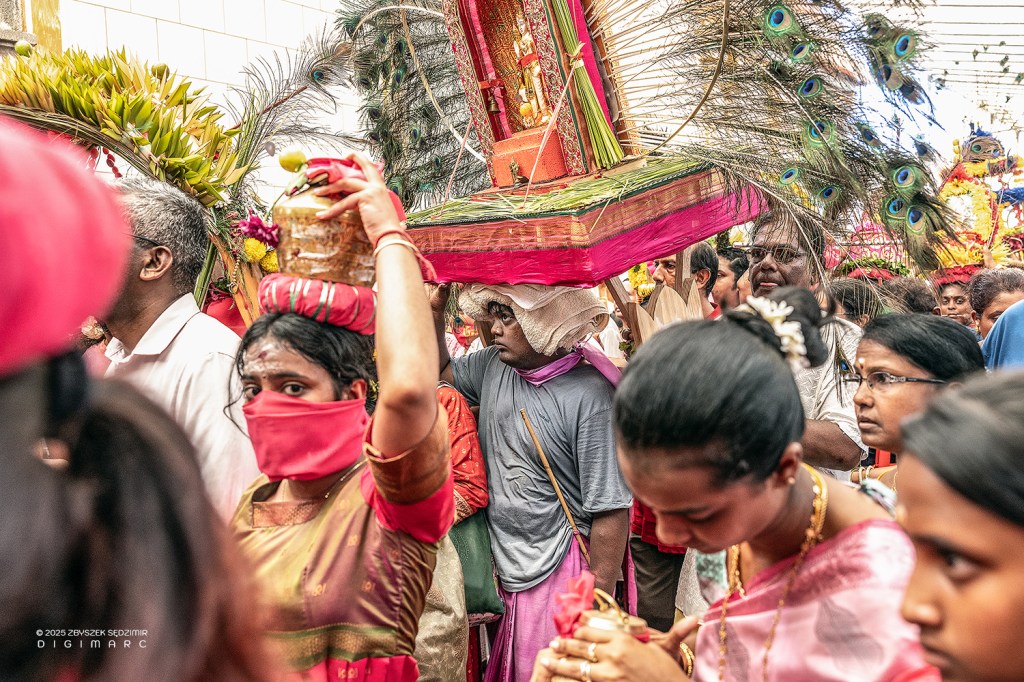
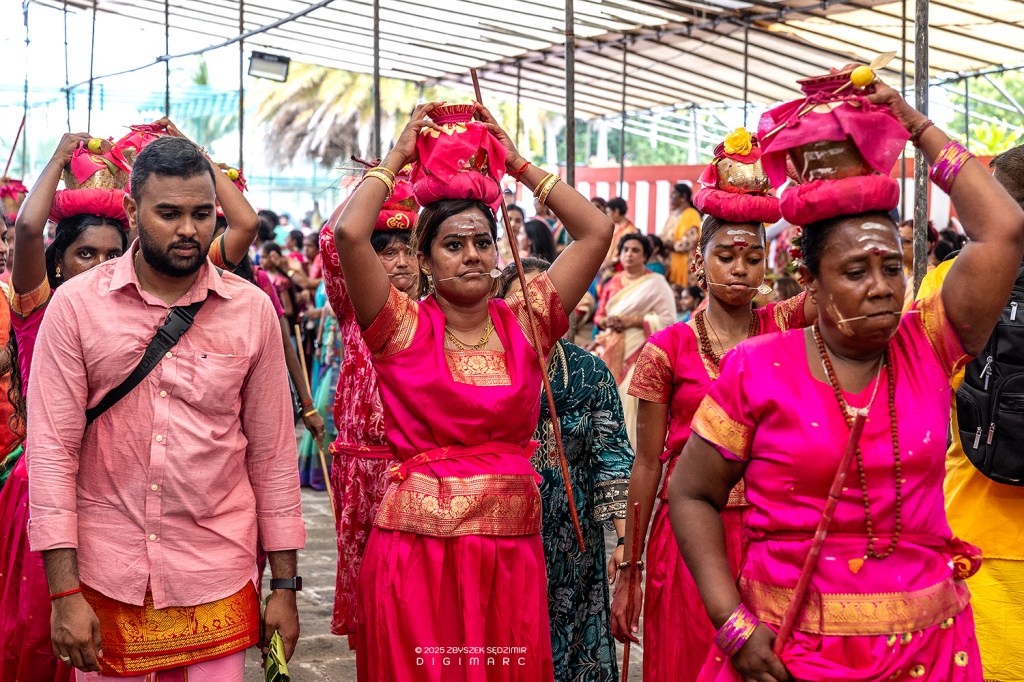
Before joining the procession, worshippers carefully prepare their sombous—sacred offering vessels. Purified with sambrani (holy incense), the containers are then filled with symbolic offerings such as milk, saffron water, lemon juice, curd, honey, vibhuti (sacred ash), and rose water. Each sombou is sealed with a banana leaf, draped in a pink cloth, and tied to the ends of the Cavadee, the sacred wooden structure carried in the procession.
For many, the journey is also marked by acts of penance. Some devotees pierce their tongues, cheeks, or bodies with needles and skewers, while others vow silence, symbolically binding their mouths with cloth. These acts of devotion reflect the profound spiritual intensity and sacrifice that define the festival. 1
General Navigation Note for This Page. Clicking on a photo will display it in full-screen mode. At the bottom right of the screen, beneath the image, you’ll see an ⓘ symbol. Clicking on it will reveal text with information about the photo, the church or chapel, and related details. To exit full-screen mode, press the ESC key or click the X in the upper right corner above the image.
Sockalingum Meenatchee Ammen Kovil, Port Louis
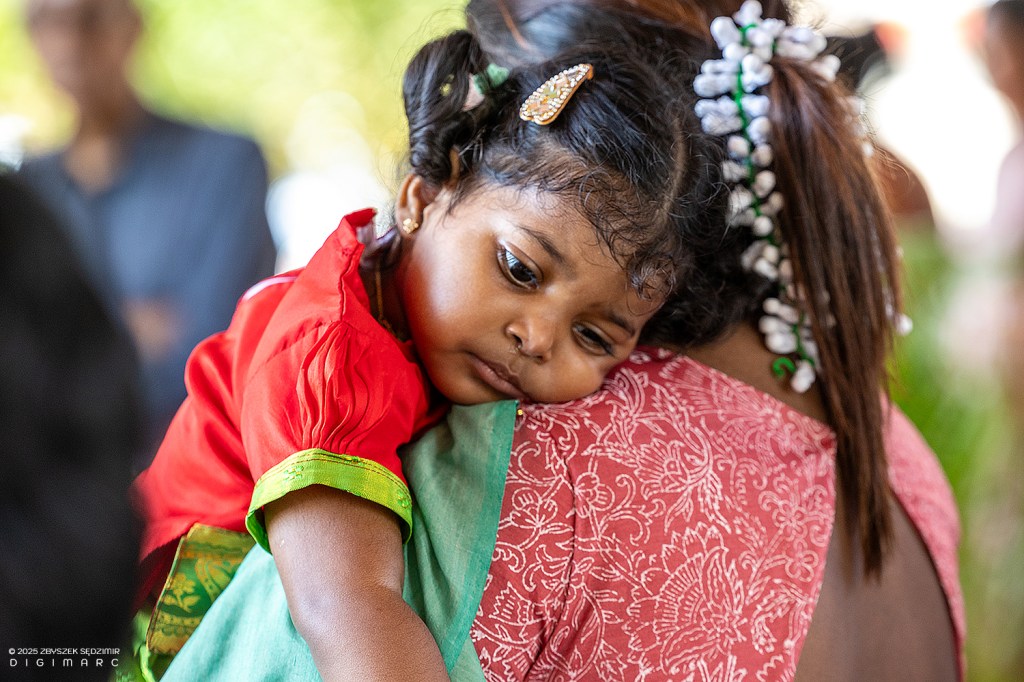
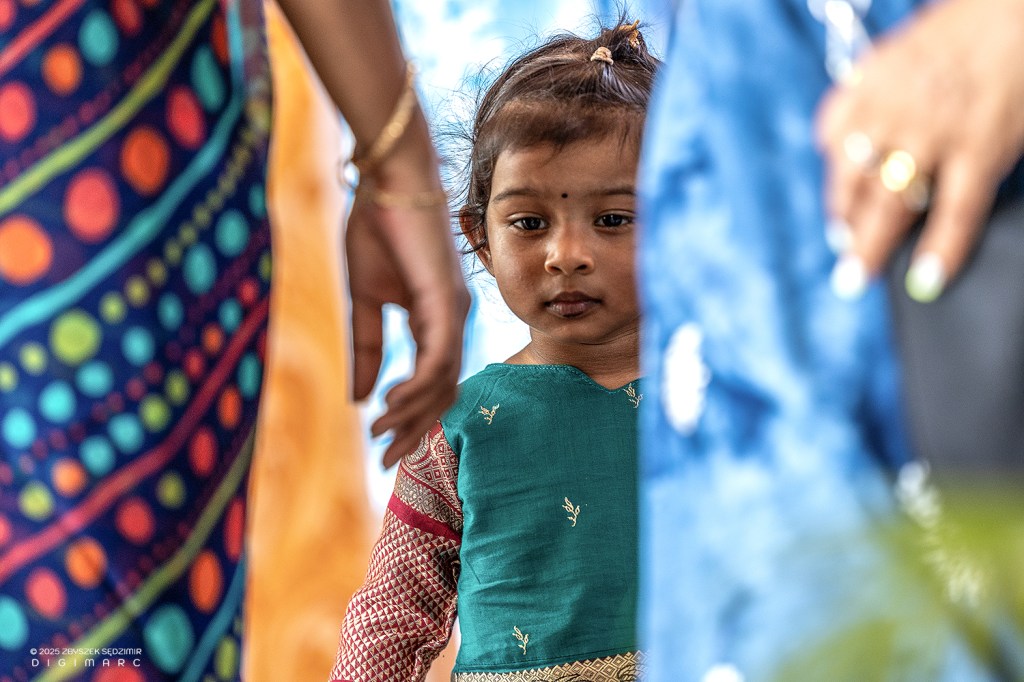
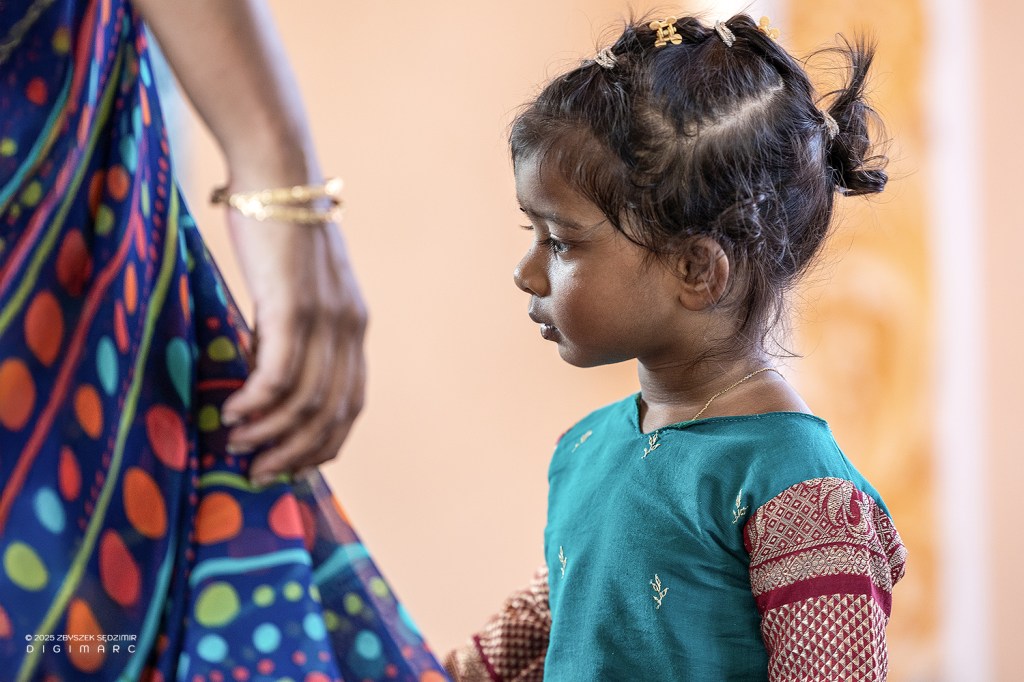
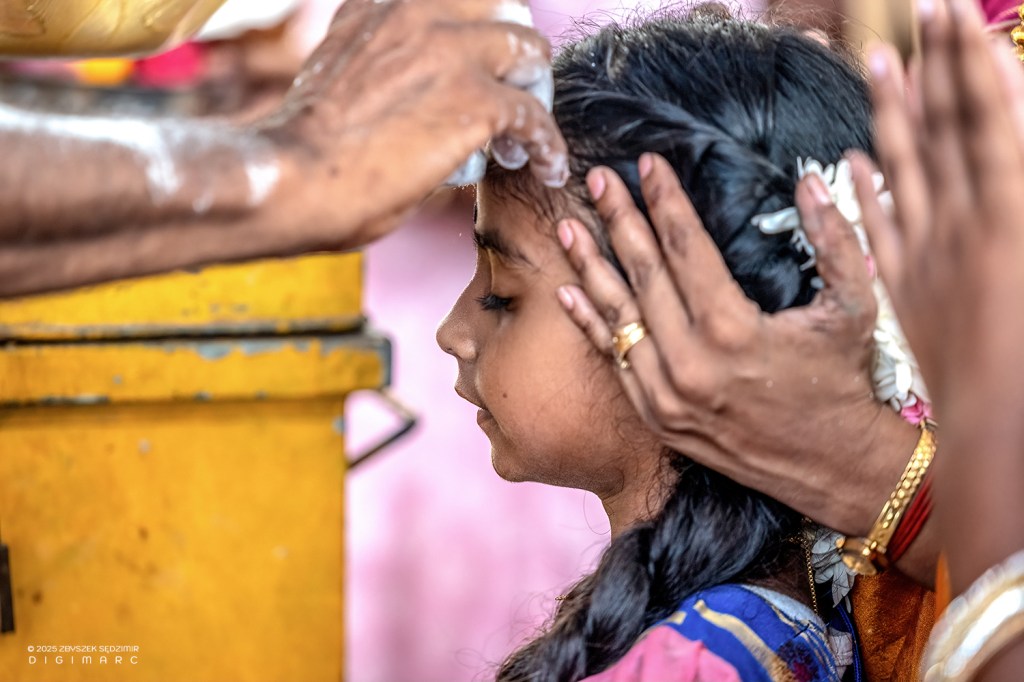
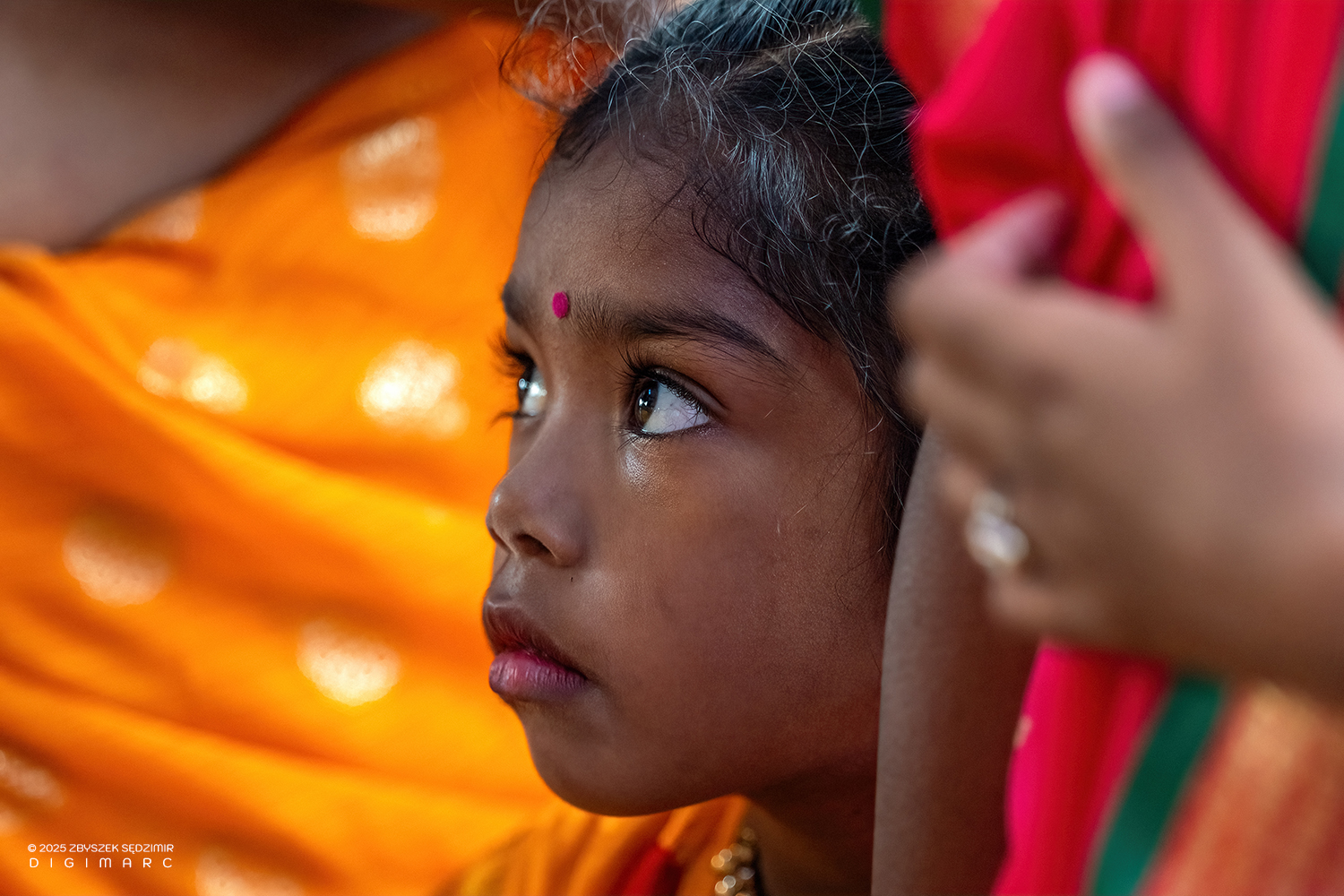
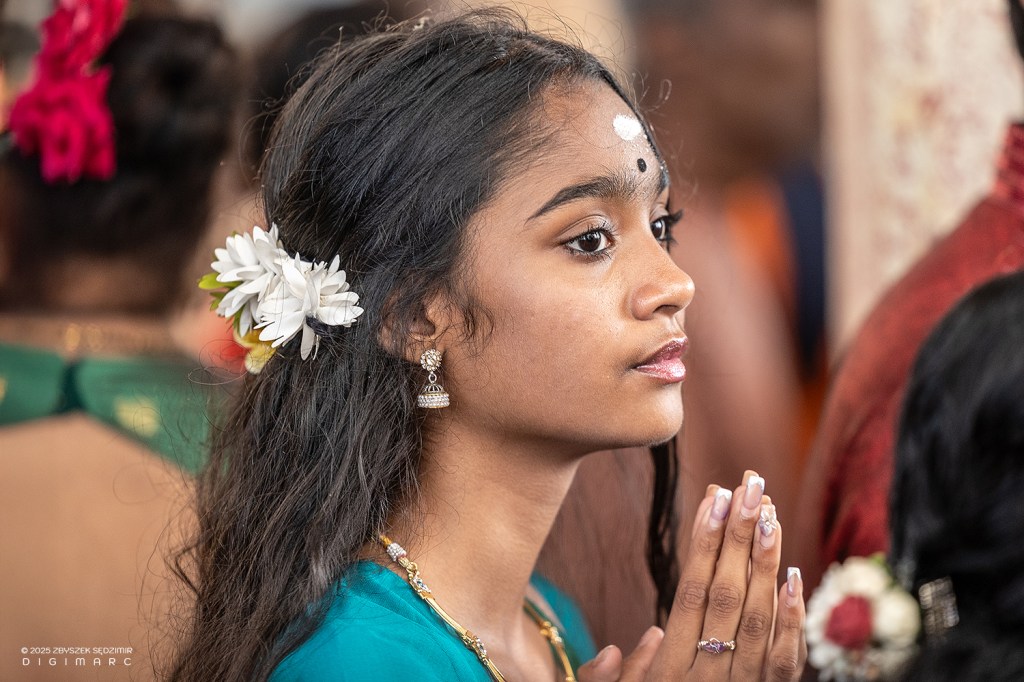
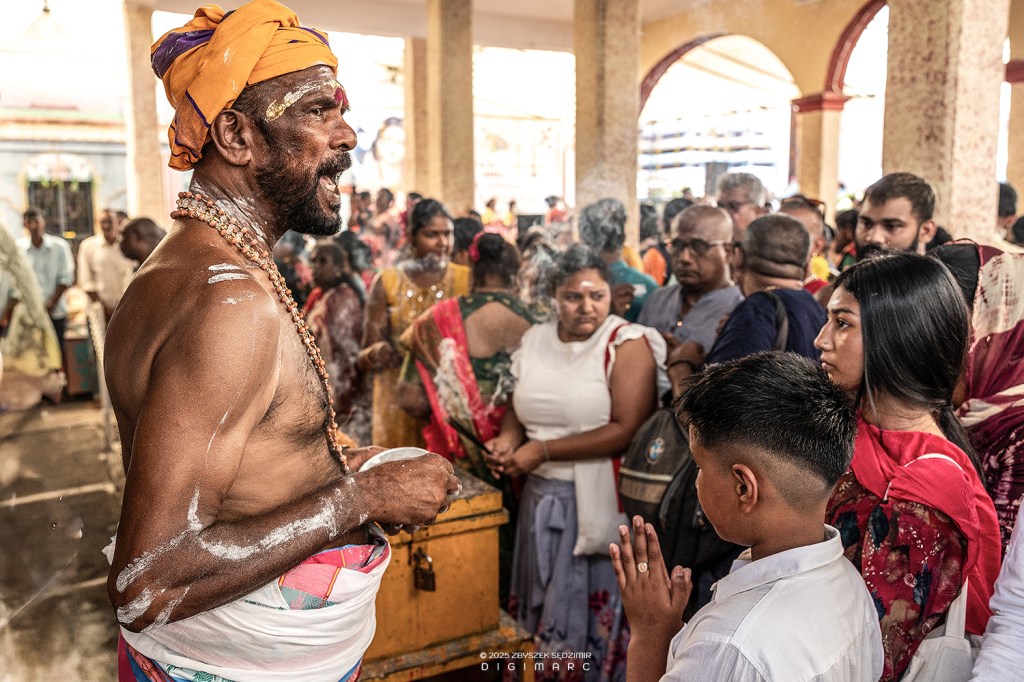
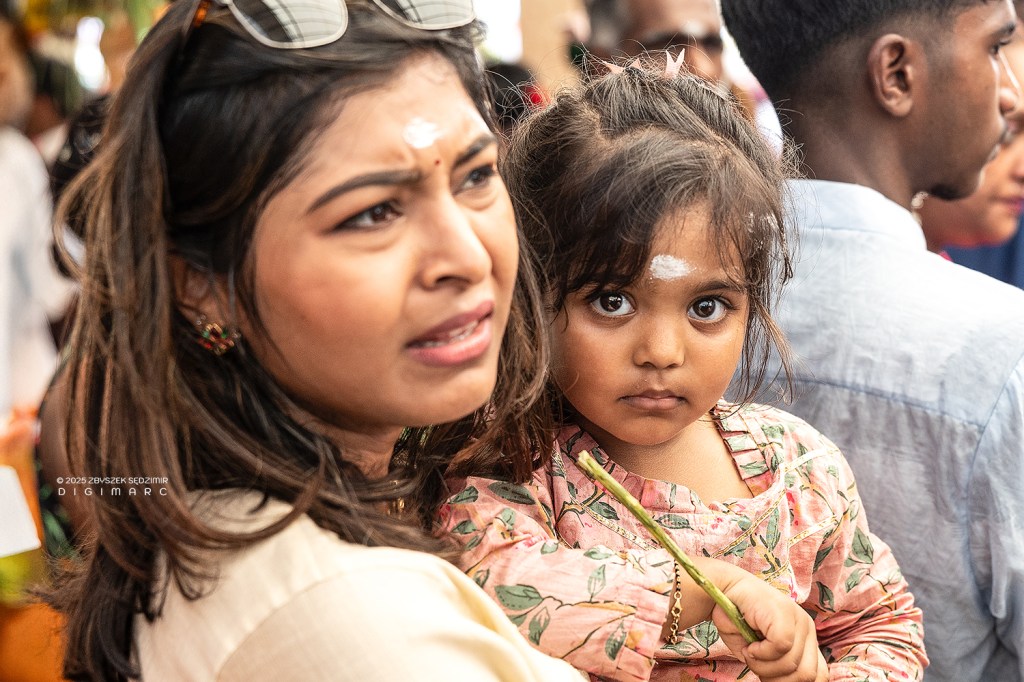
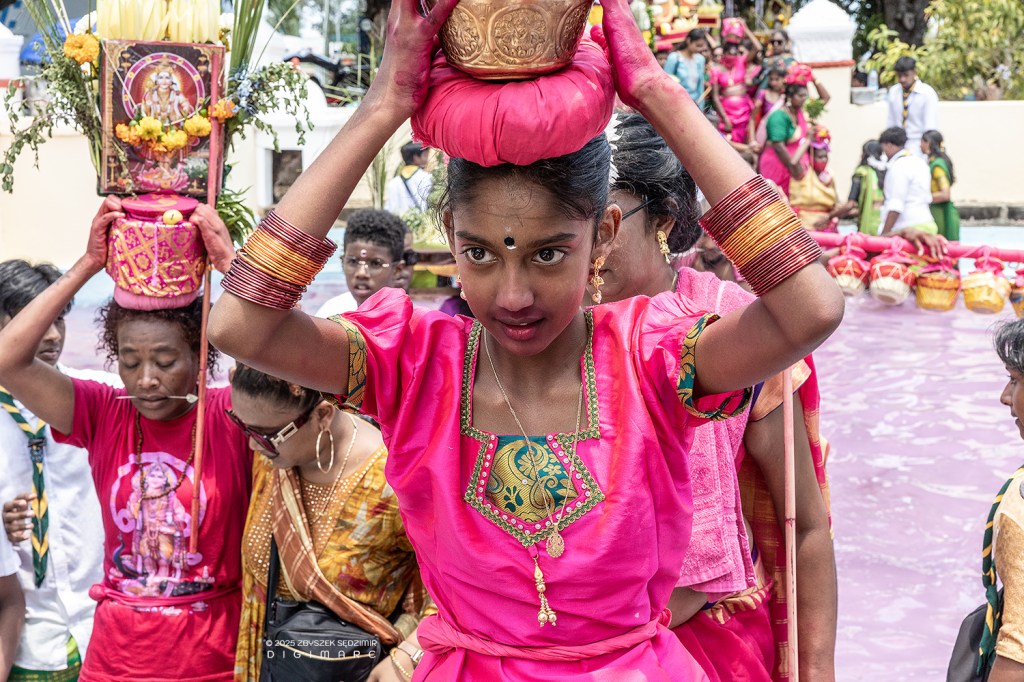
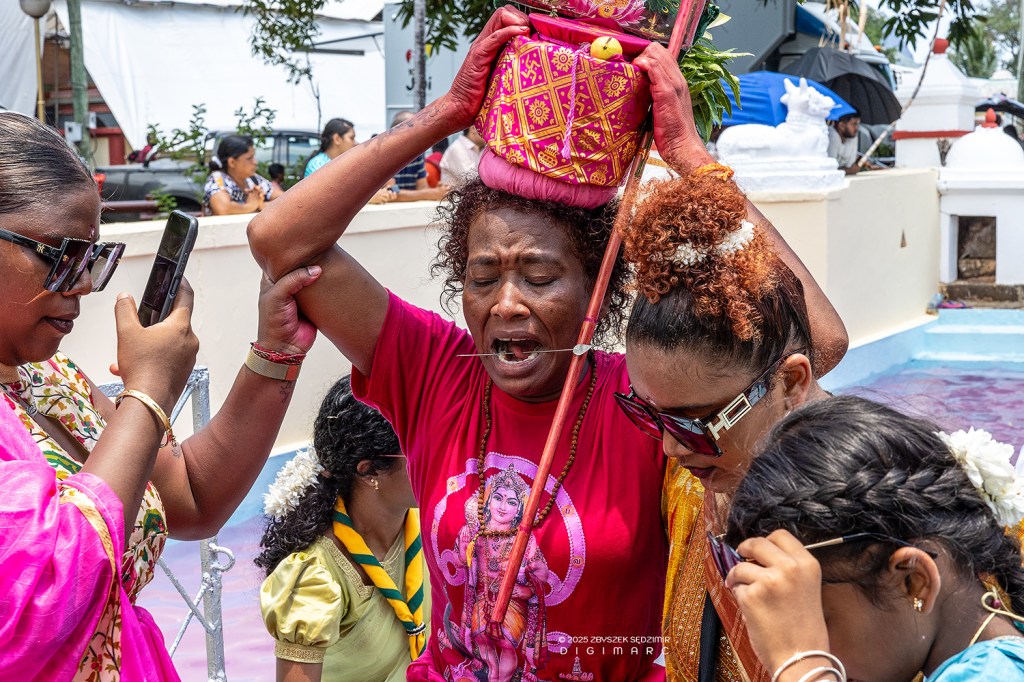
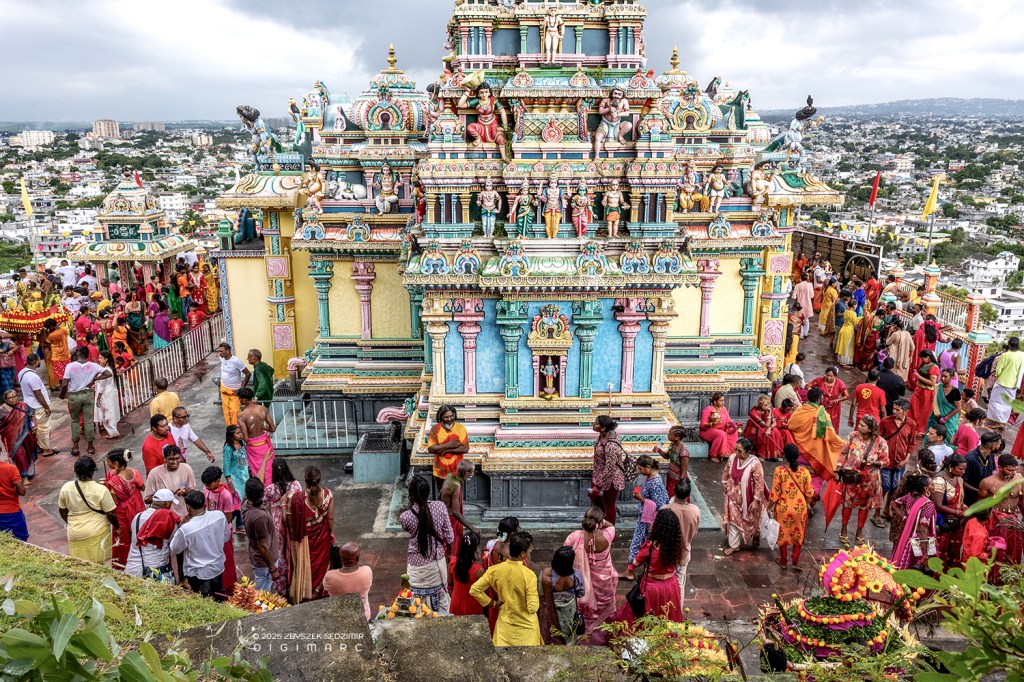
Sri Siva Subramanya Kovil, Corps de Garde, Quatre Bornes
The Procession: A Path of Trials and Devotion
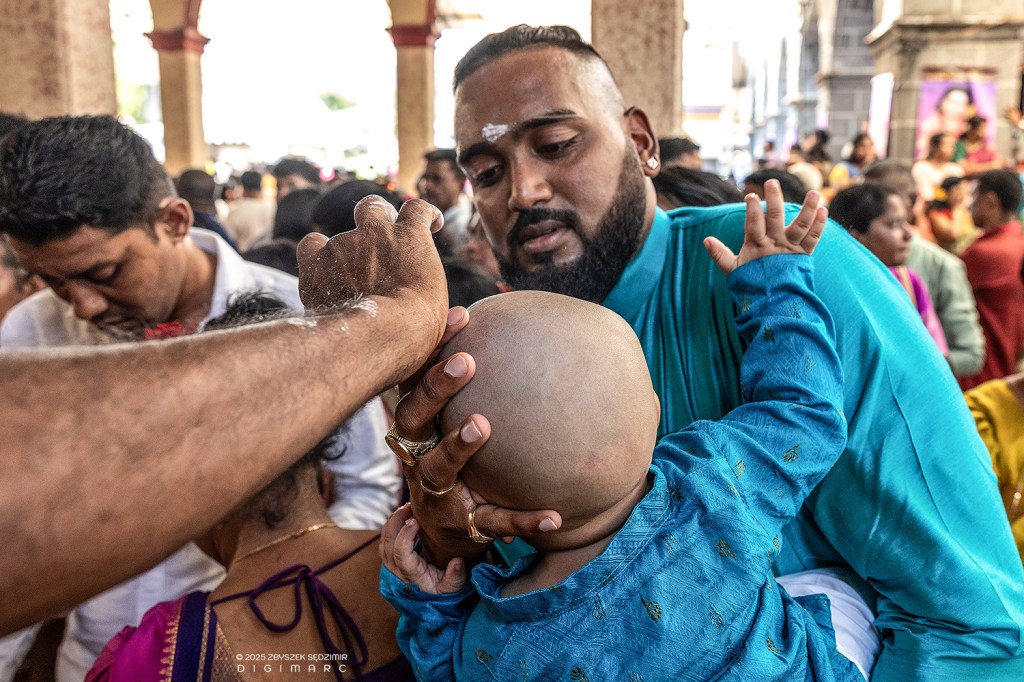
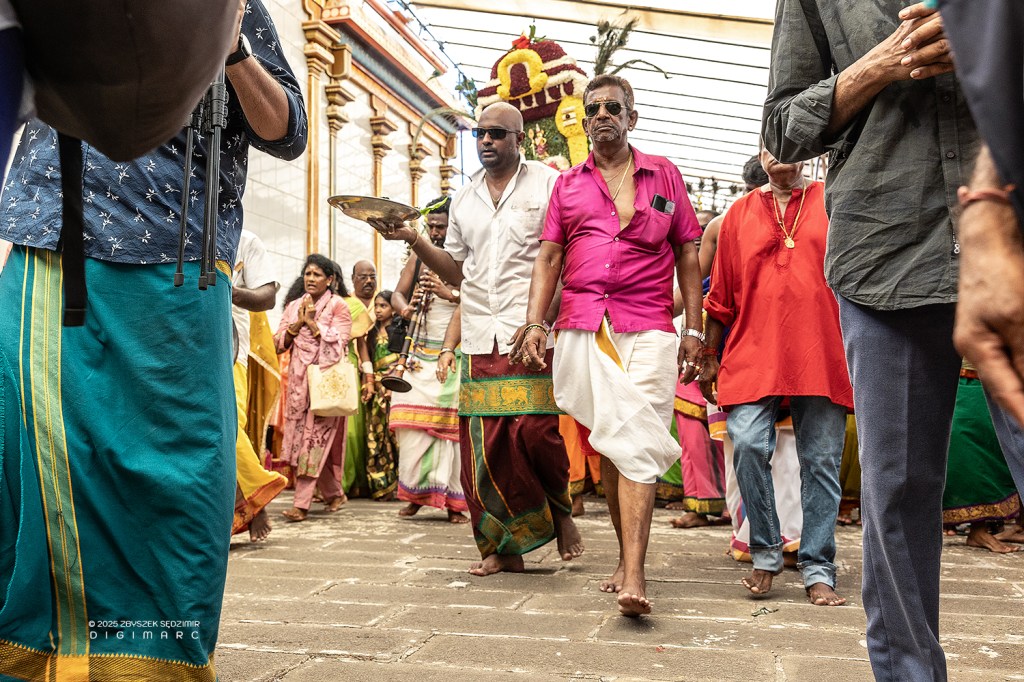
After the purification rituals at the river, the long-awaited procession begins. Barefoot and carrying their Cavadee—sacred wooden structures adorned with flowers and offerings—devotees set out on a demanding journey of several kilometers, often beneath the blazing sun. The pilgrimage, which can last four to five hours, unfolds to the steady rhythm of devotional songs and unbroken prayers that fill the air with spiritual intensity.
The journey culminates at the Kovil, the Tamil temple, where devotees lay down their Cavadee in an act of offering. Their sombous—vessels filled with milk and other sacred substances—are presented to the priest, who pours the milk at the feet of Lord Muruga. A few drops are then returned to the devotees, a powerful gesture symbolizing the purification of body, mind, and soul.
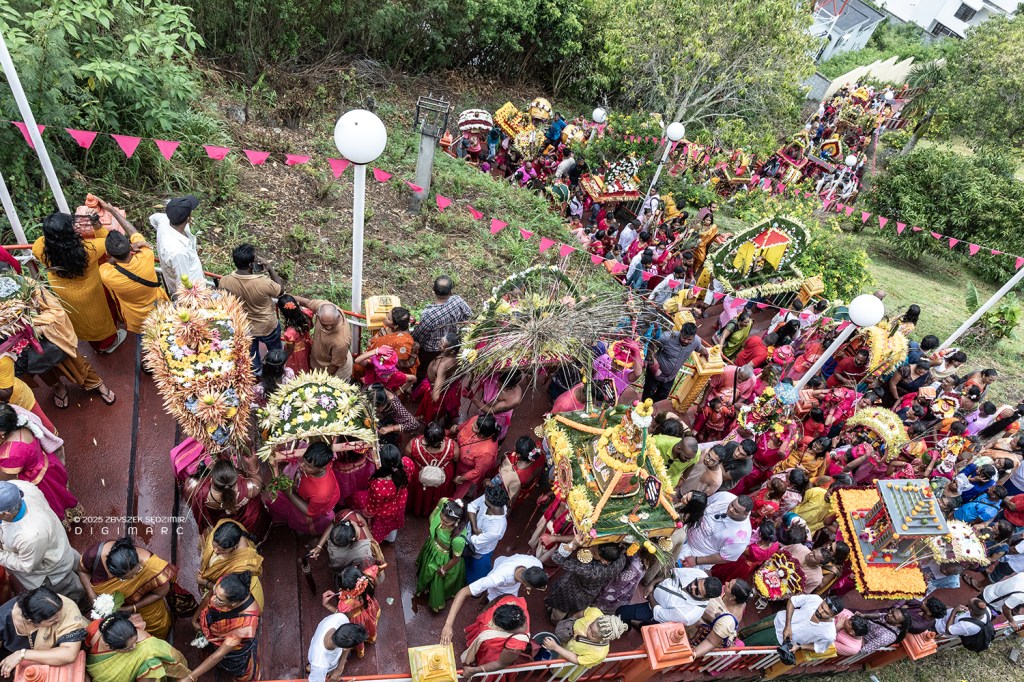

Copyright © 2025 Zbyszek SĘDZIMIR, All rights reserved.
- Source: the article “Fervor and Devotion for Muruga”, February 9, 2025, in the newspaper L’Express.
↩︎
For now, only the English version is operational. Please be patient; other language versions will be available soon.
 My Photo Stories