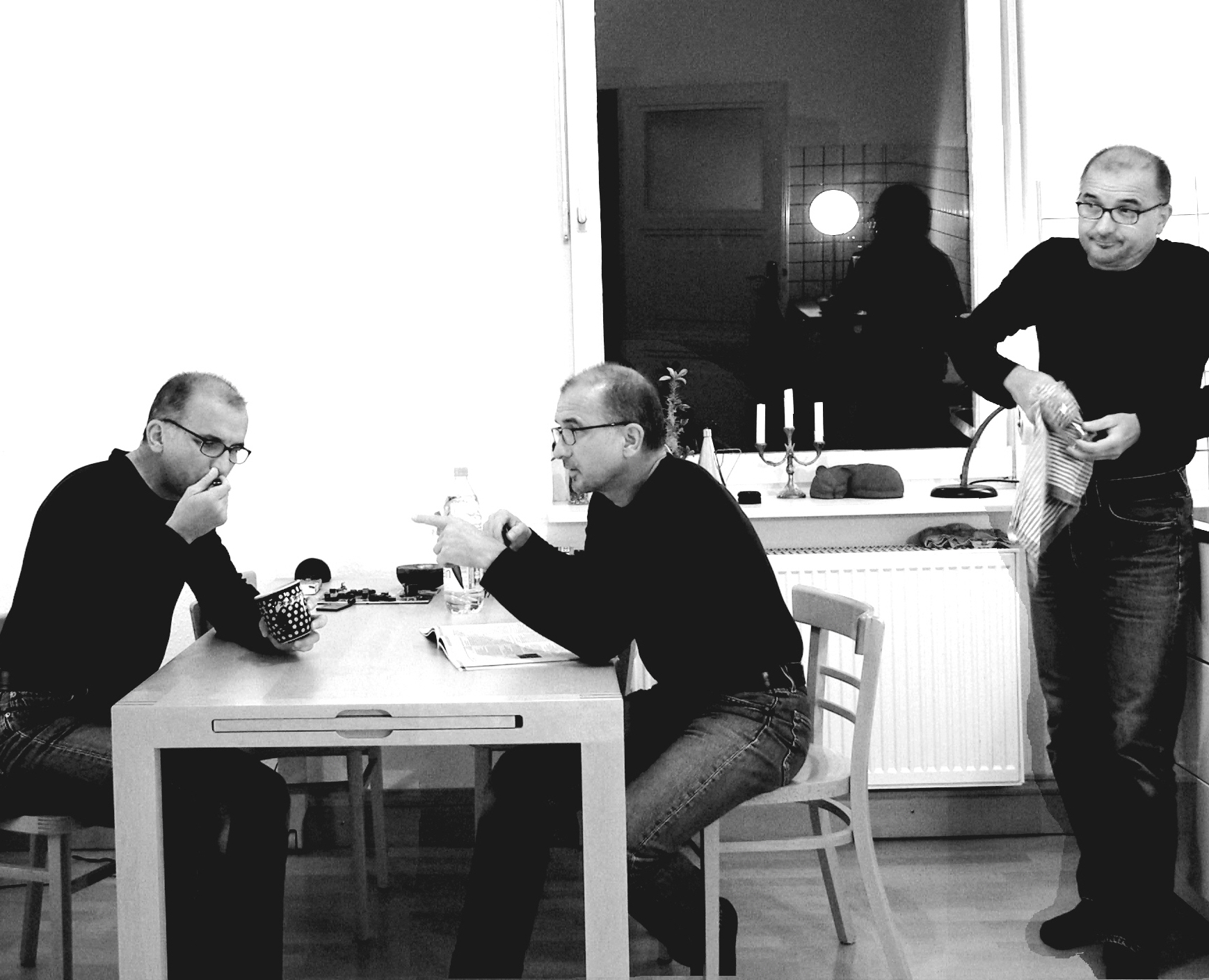
Maurice Giraud architect
1939 – 2018
During a prolific career spanning 45 years, Mauritian architect Maurice Giraud conceived and designed a substantial proportion of the country’s tourism infrastructure. These include 20 mainly resort hotels but also a few boutique hotels, a bird park, a golf estate, a residential village, and finally, a commercial and cultural centre on the capital’s waterfront which includes a marina, a museum and a theatre.
After having studied Architecture in Cape Town, Urban Planning in London and working in London and Durban for a few years, Maurice Giraud returned home in 1973. Mauritius had then been independent for five years, and the government had chosen to focus on international tourism as a lever for development.
By reviving and re-interpreting the use of traditional and local materials Maurice Giraud appealed to the developers of the Mauritian tourism industry. His work is characterized by thick basalt stone walls (with badigeon and whitewash or kept natural); thatched and shingle roofs sitting on top of exposed tropical hardwood or concrete frameworks and free-form structures such as curved walls that allow a smooth flow throughout the buildings. The architect also played with a range of internal and external volumes: from cosy, intimate living areas, courtyards and verandas to vast public spaces filled with lush, tropical vegetation. Well-balanced proportions combining elegance, restraint and harmony through the use of varied textures, truly define his style.
Successive generations of Mauritian architects and designers have been influenced by the quality and scope of Maurice Giraud’s impressive body of work. It can be said that the built environment of the country’s first fifty years of independence has been shaped by his legacy.
General Navigation Note for This Page. Clicking on a photo will display it in full-screen mode. At the bottom right of the screen, beneath the image, you’ll see an ⓘ symbol. Clicking on it will reveal text with information about the photo, the church or chapel, and related details. To exit full-screen mode, press the ESC key or click the X in the upper right corner above the image.
Caudan, Port Louis
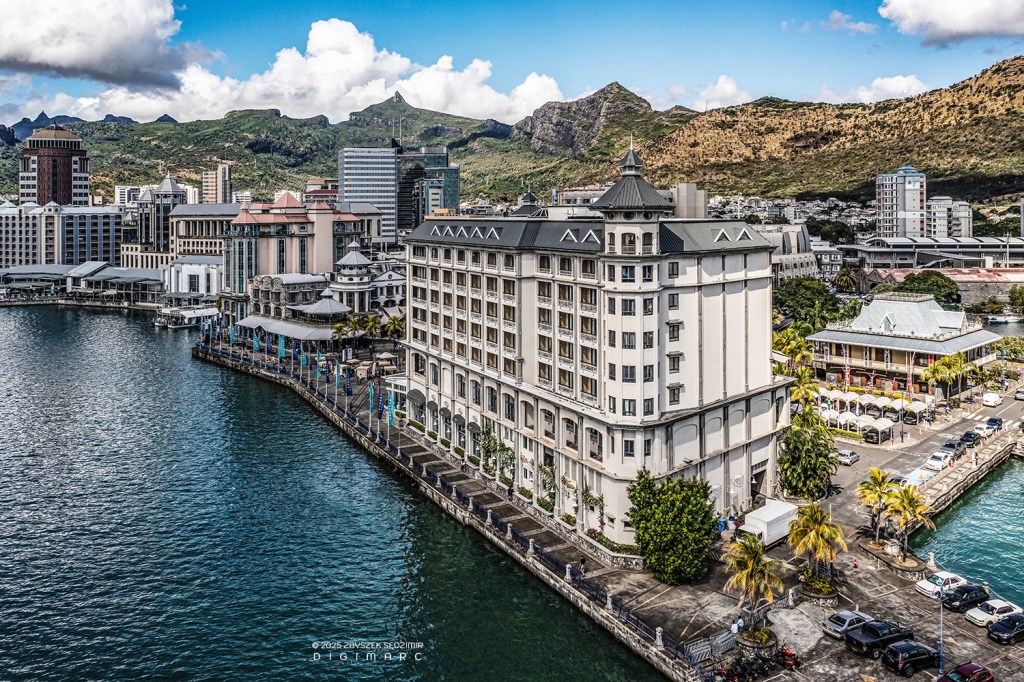
The Caudan district in Port Louis, the capital of Mauritius, is a remarkable example of urban regeneration, transforming a former industrial and port site into a vibrant hub for commerce, culture, and leisure.
The name “Caudan” comes from Jean Dominique Michel de Caudan, a Frenchman who established a saltworks in the area in 1726. At the time, Port Louis was just a modest natural harbour in the early stages of development. Caudan was located on the outskirts of the colonial administrative centre and played a role in maritime and commercial activities, particularly in the export of sugar and spices.
During British colonisation, the port was modernised, and Caudan became an important platform for maritime trade. Warehouses, customs offices, and port infrastructure were constructed in the area.
For nearly two centuries, the Port of Port Louis was the beating heart of Mauritius’s economy, serving as a key trading hub between Europe, India, Africa, and Asia. But from the 1980s onward, traditional port activity began to decline for several reasons: modernisation of shipping routes, competition from better-equipped regional ports, and increasing automation in maritime freight.
It was in this context that the Mauritian authorities launched a broad urban redevelopment programme, making Caudan a symbol of transition—from a commercial port to a centre for services, culture, and tourism.
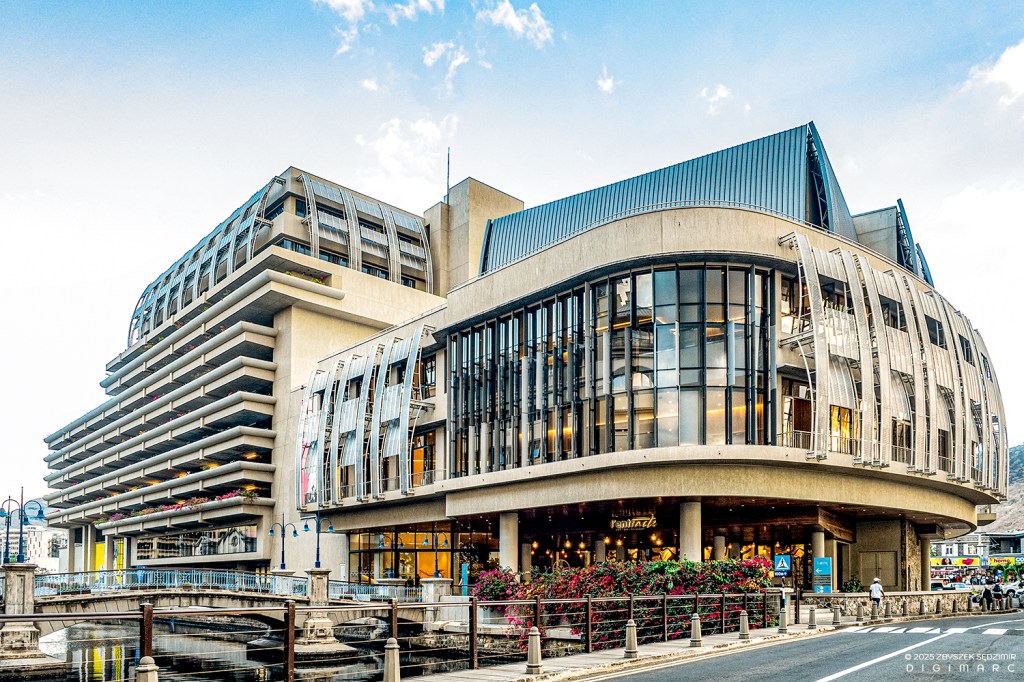
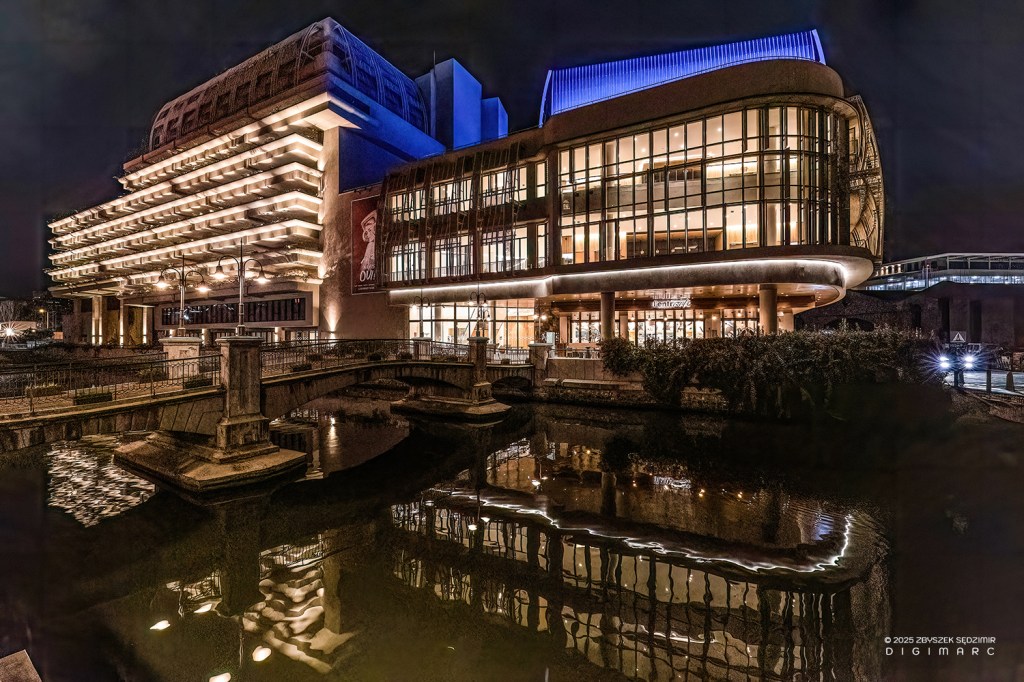
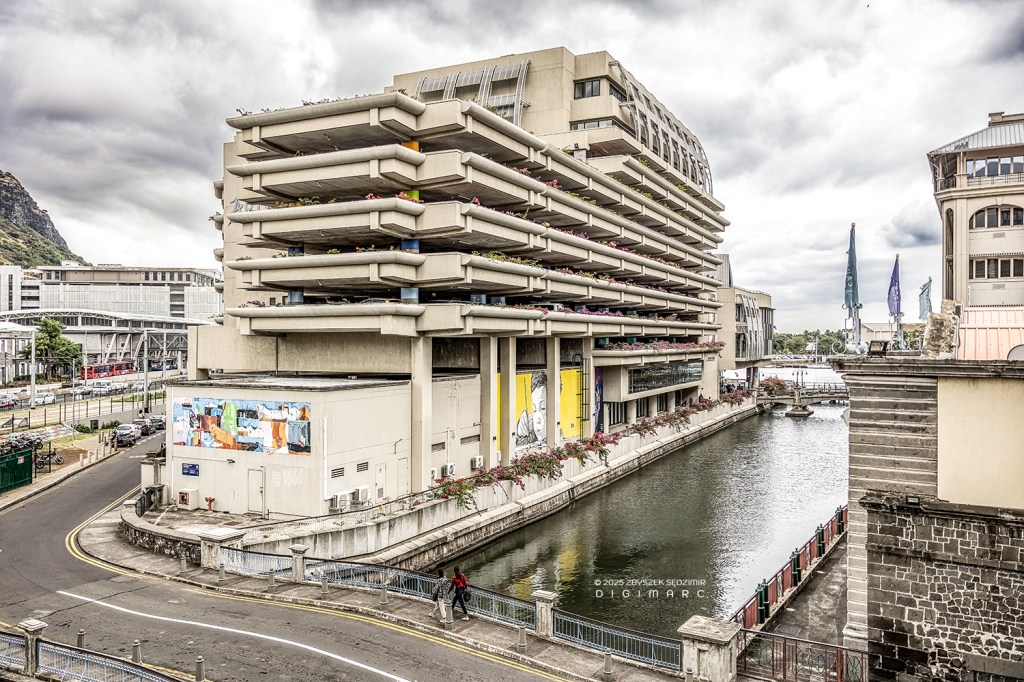
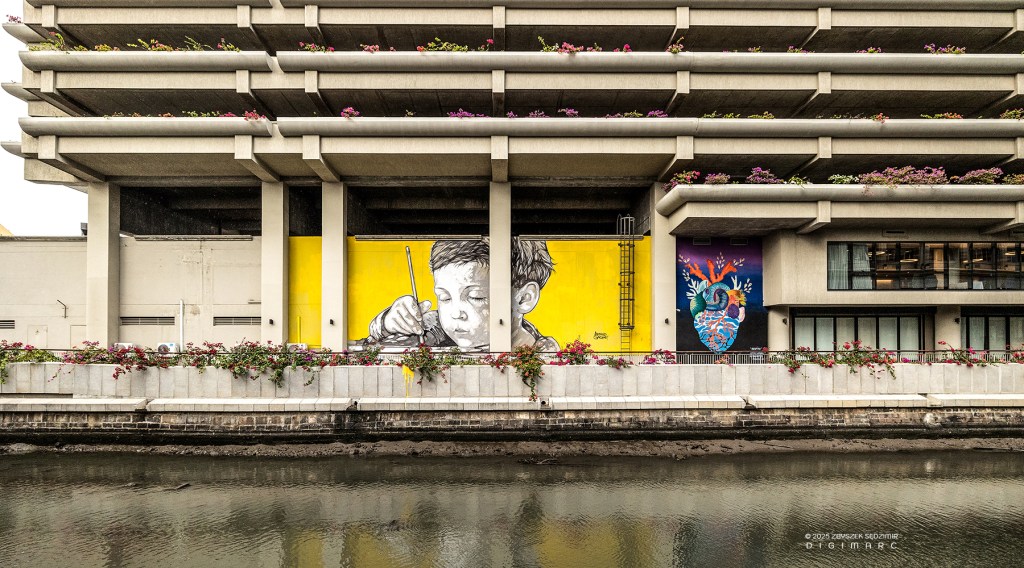
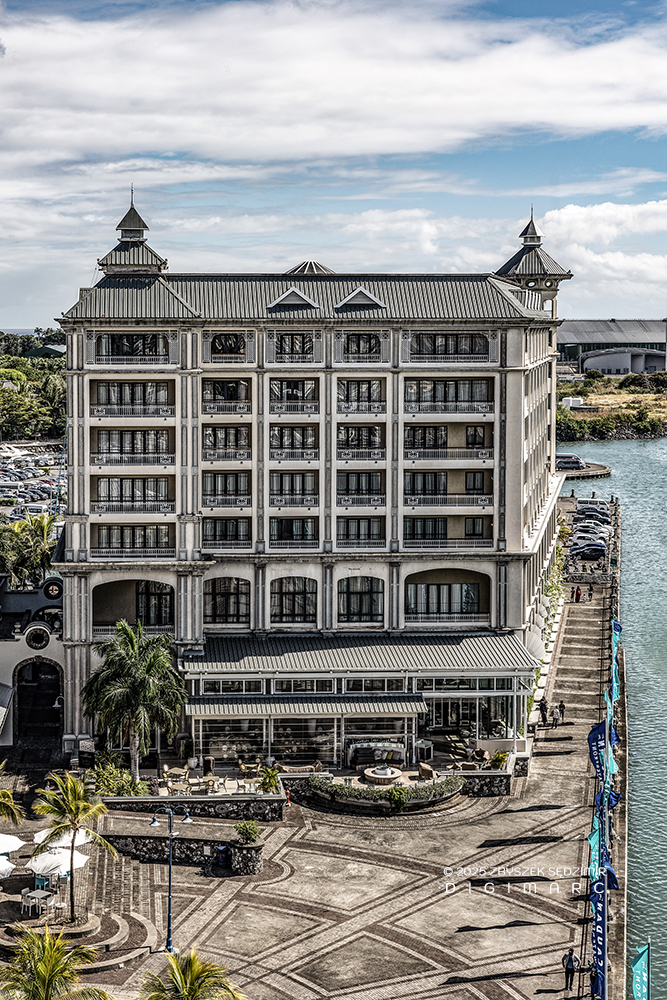
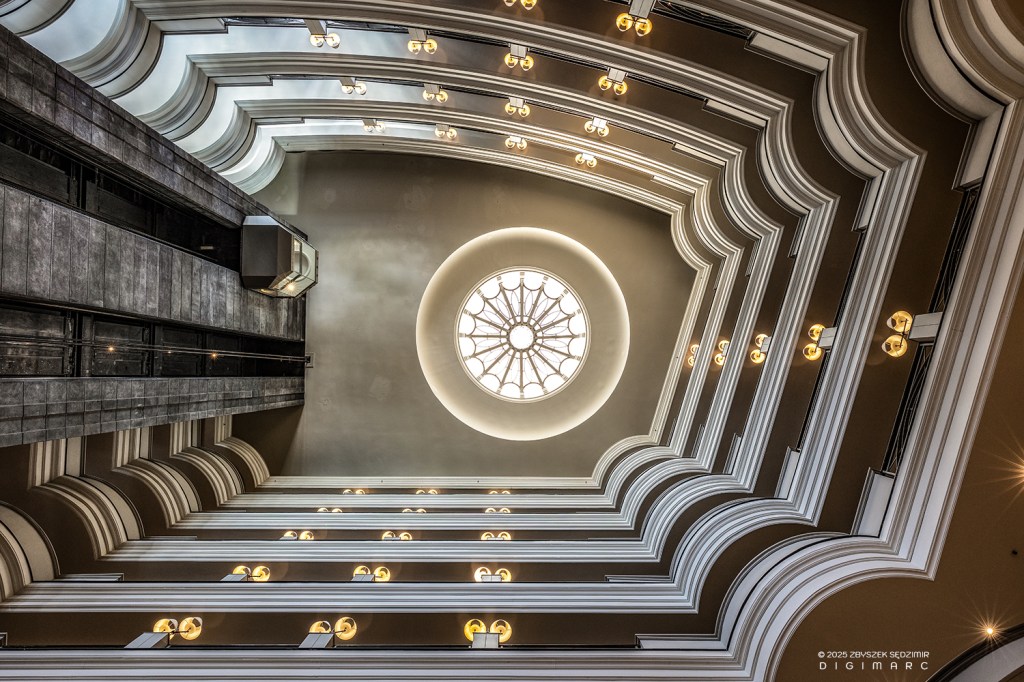
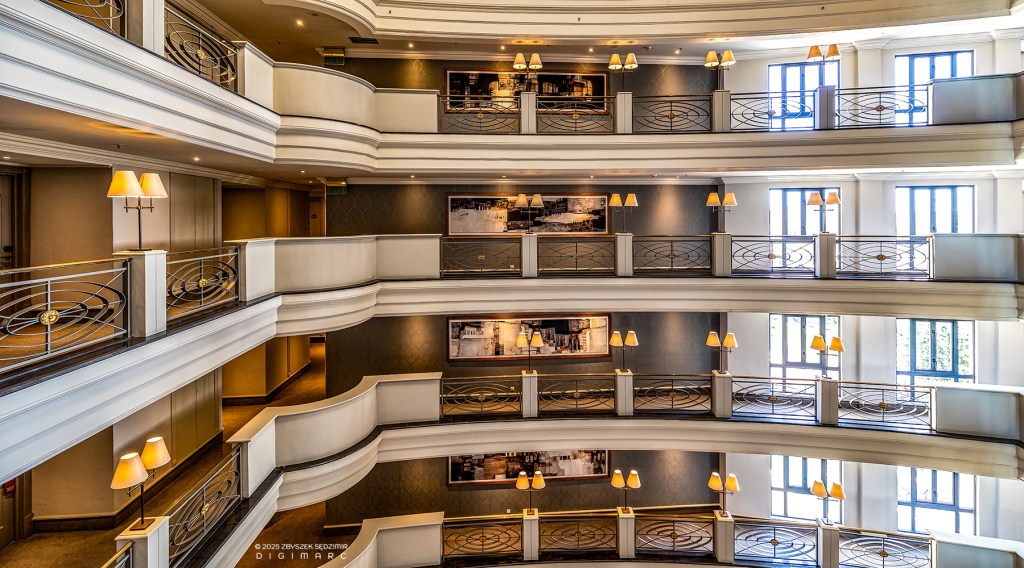
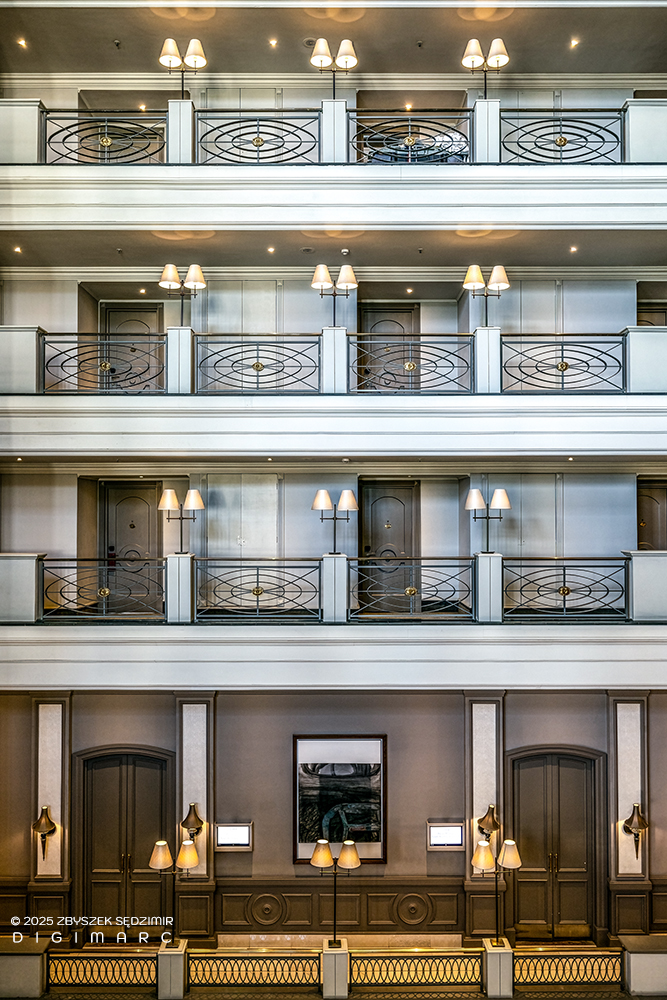
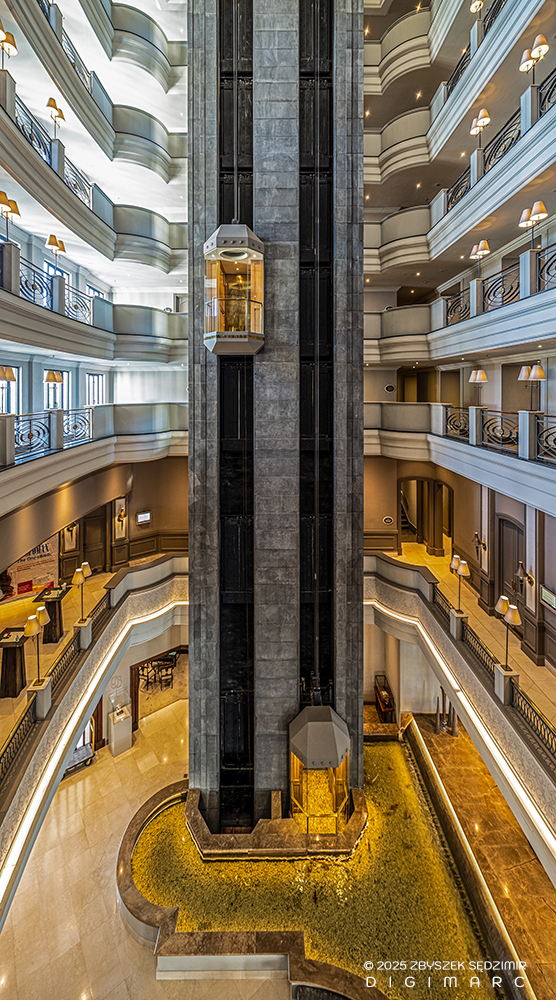
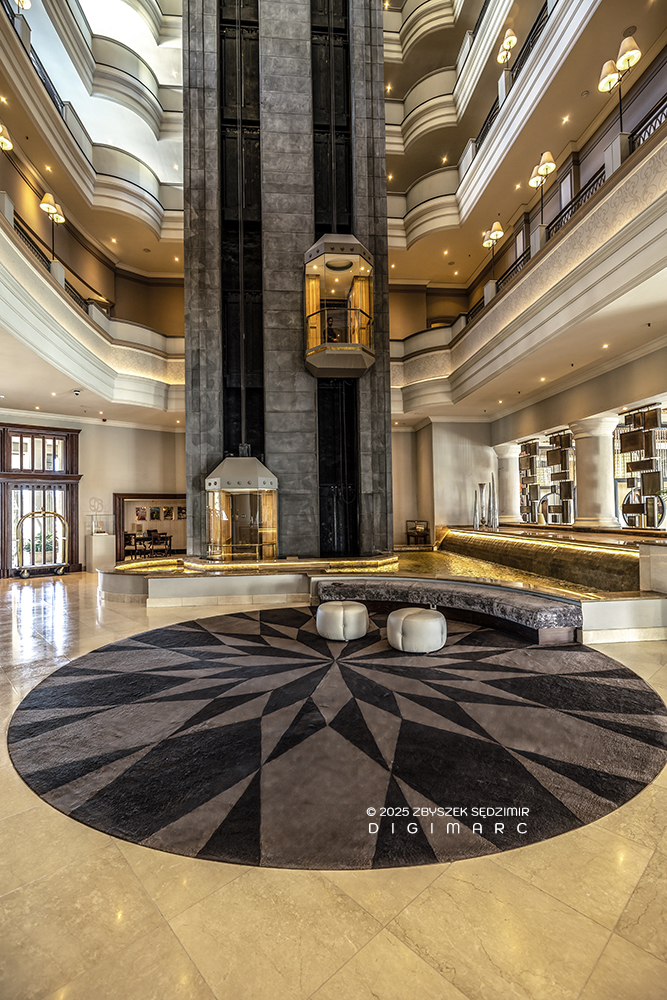
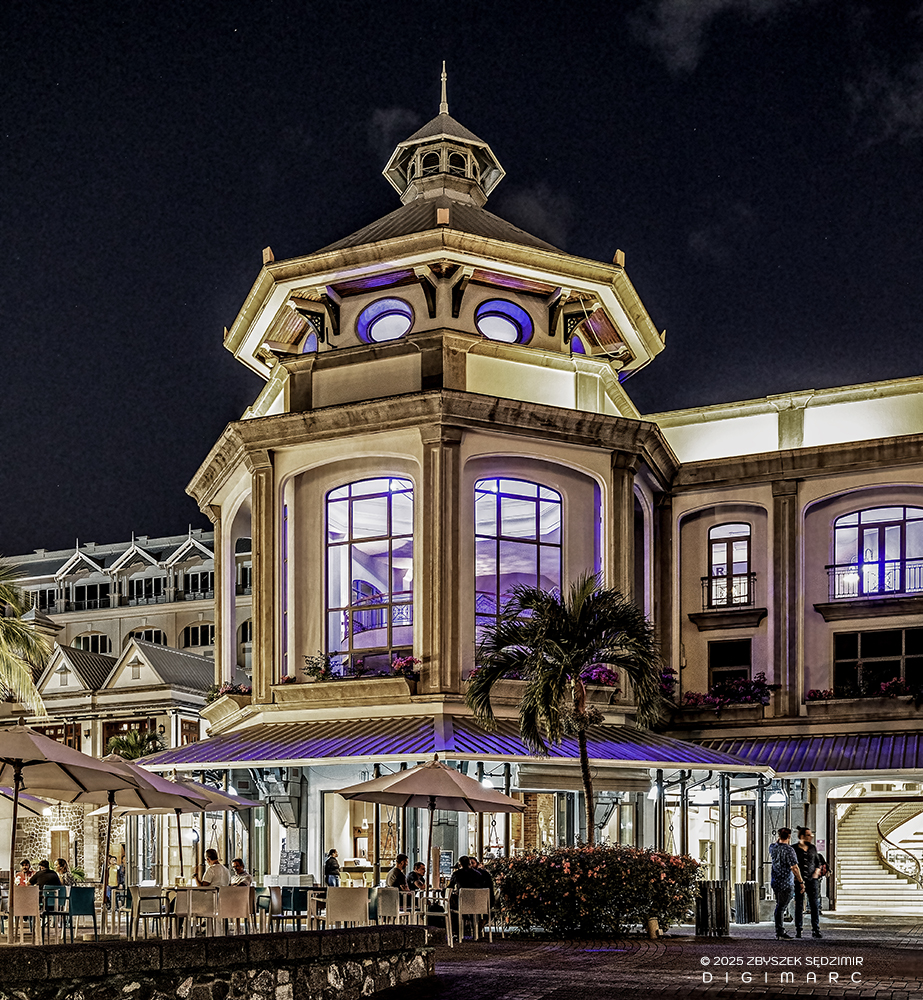
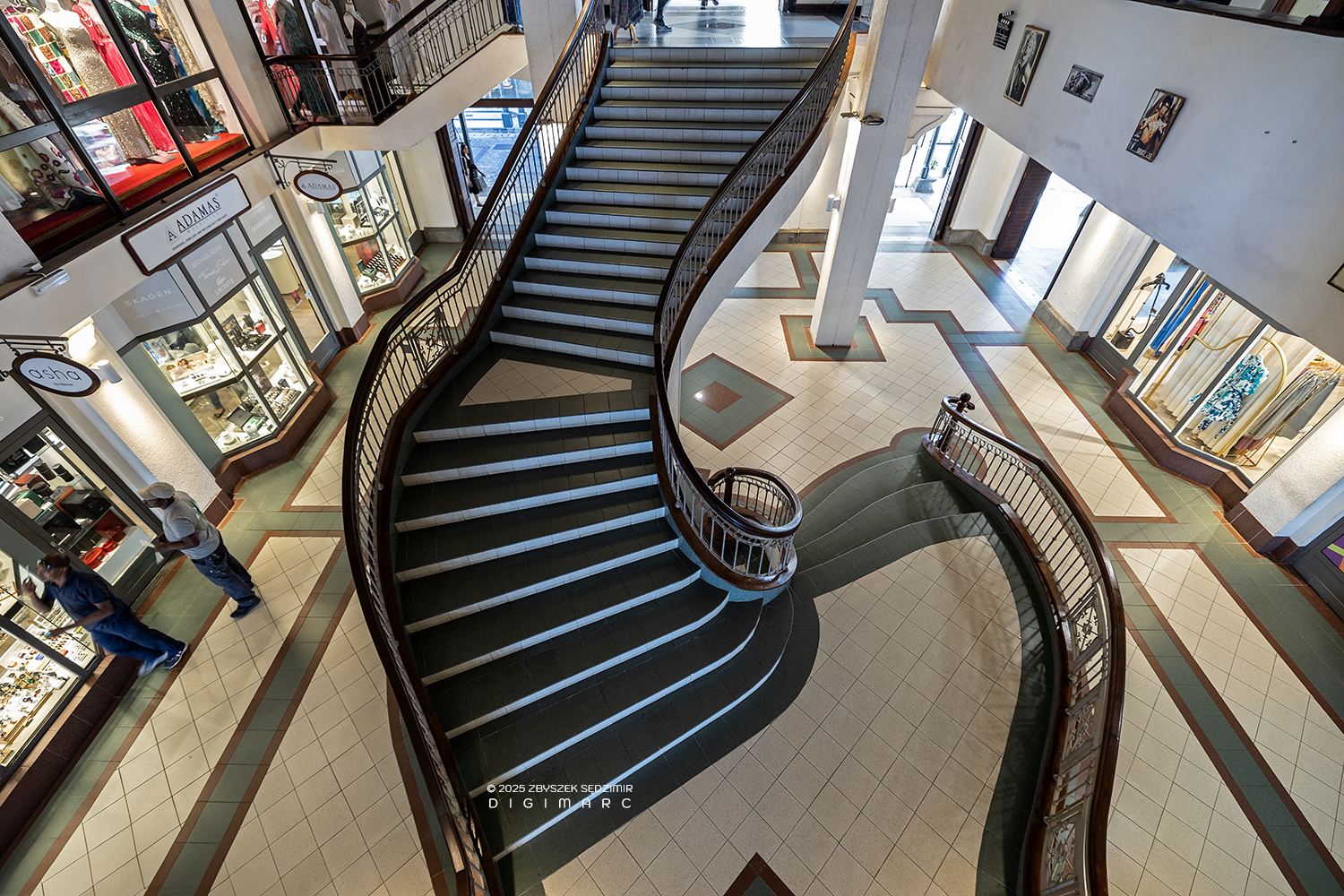
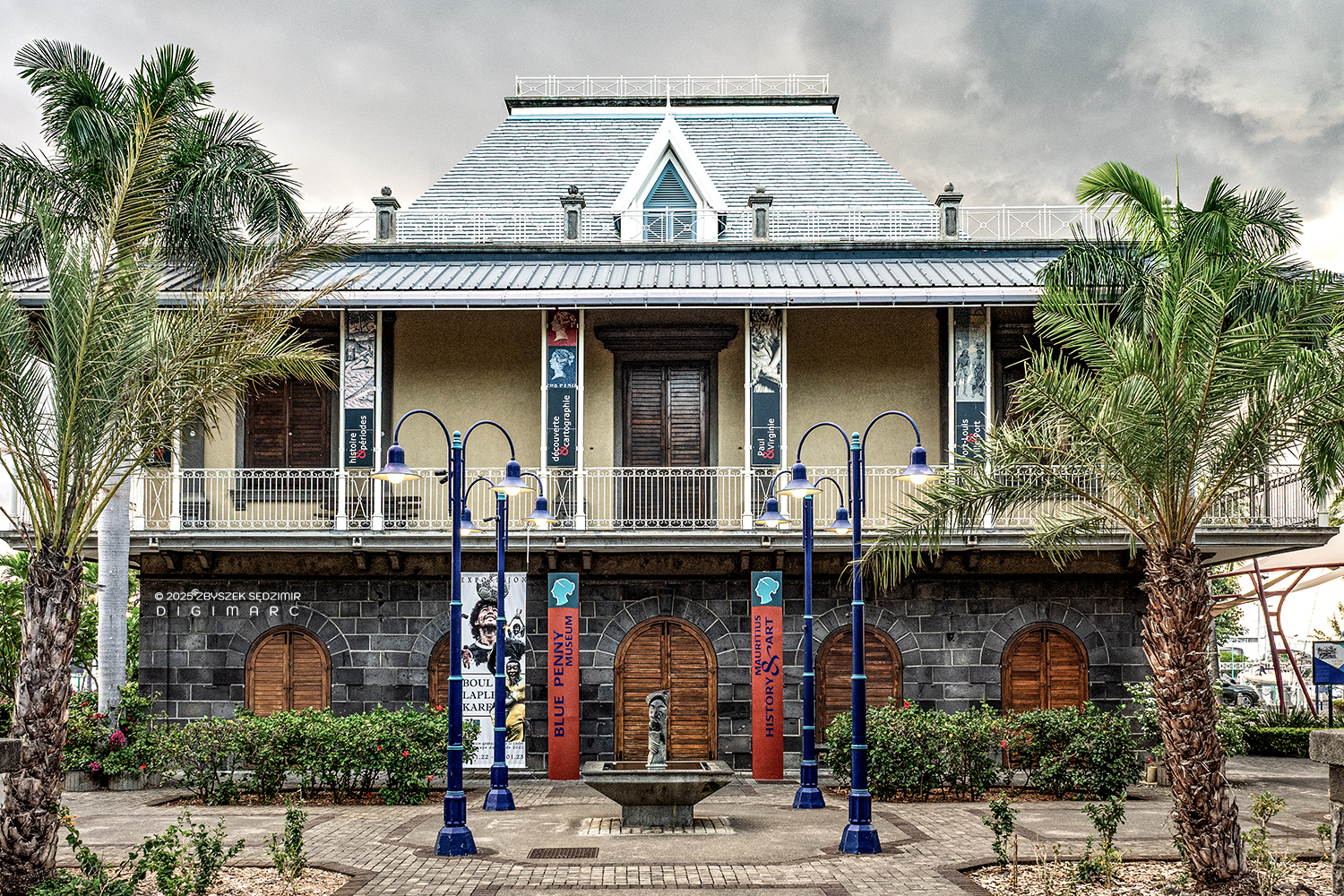
Maurice Giraud played a pivotal role in this transformation. In collaboration with ZAC Associates, Giraud succeeded in preserving the site’s historical heritage while integrating modern architectural elements. The result was the Caudan Waterfront, inaugurated in 1996, which has since become a symbol of Port Louis’s urban renewal.
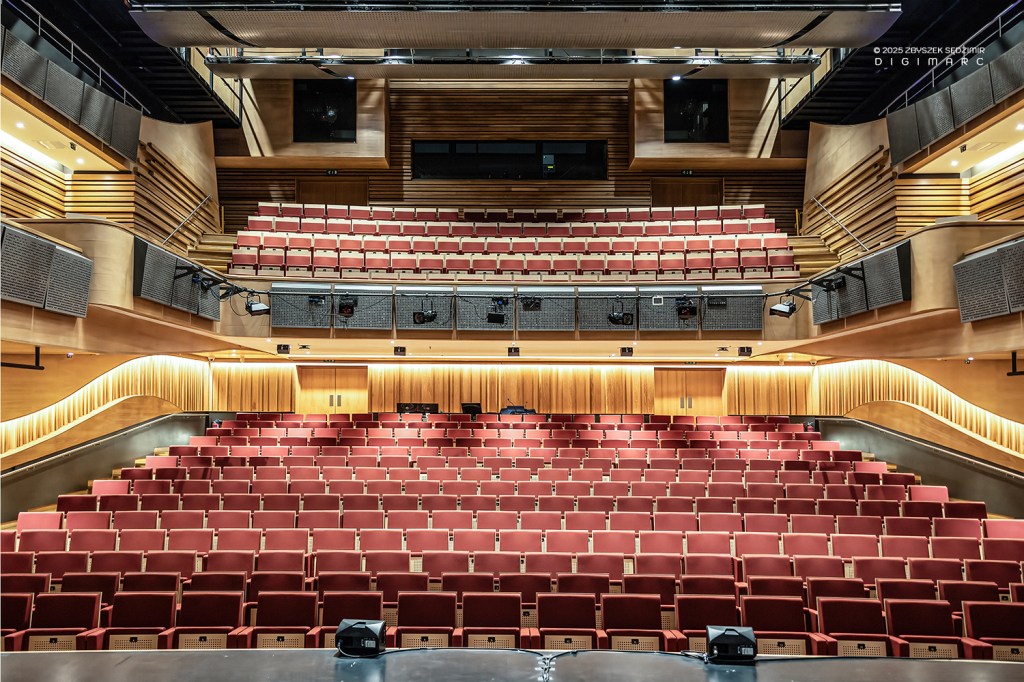
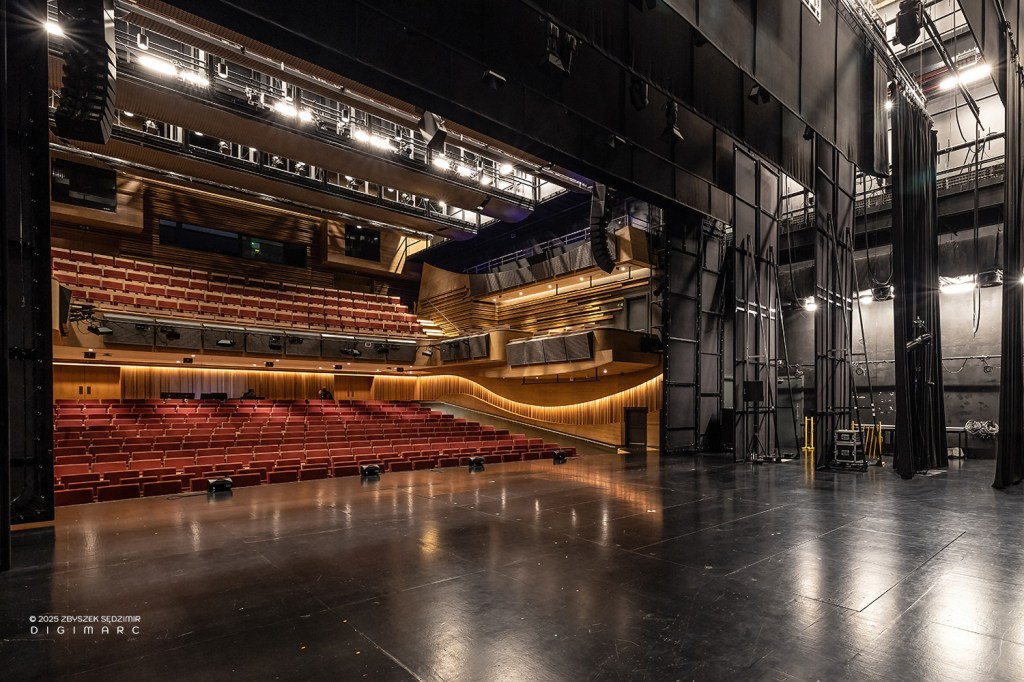
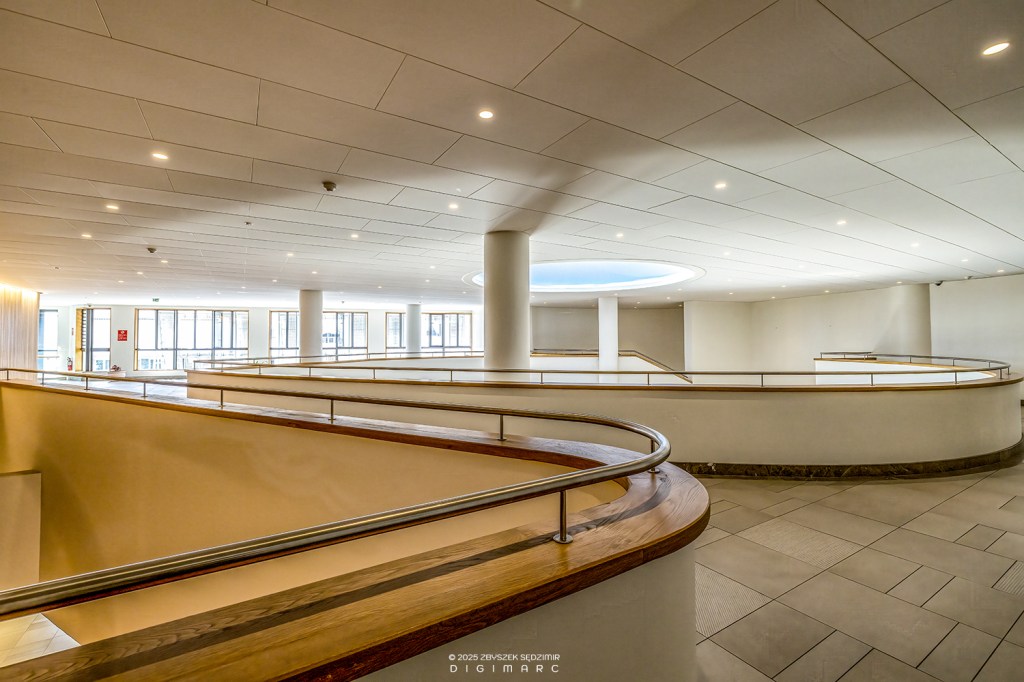
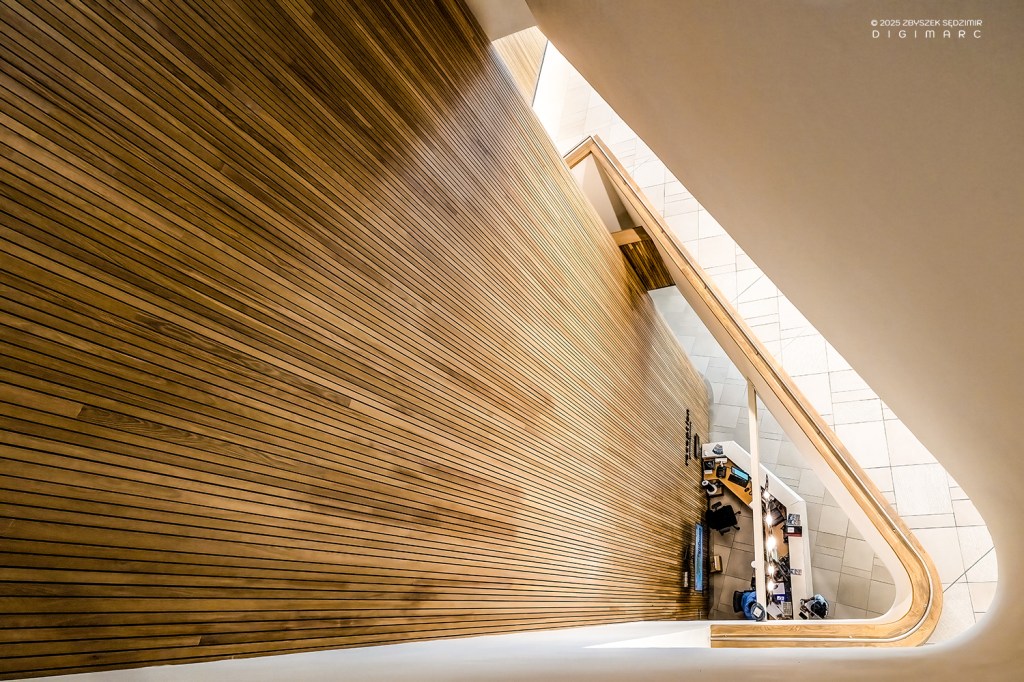
Caudan Arts Center, 2018
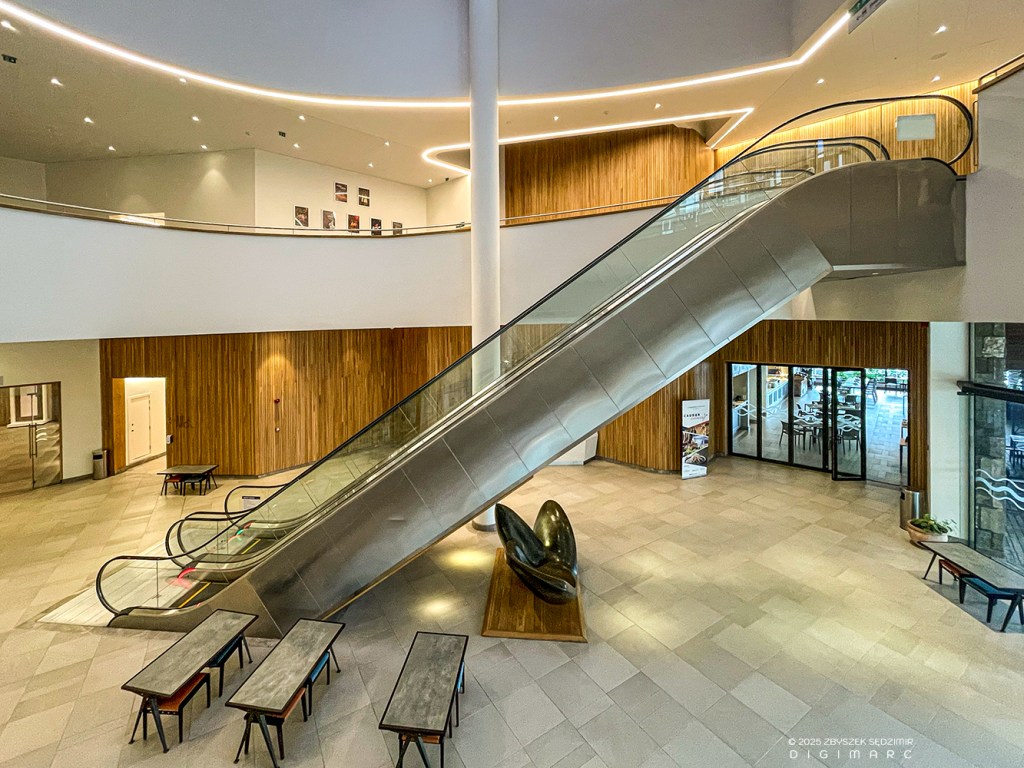
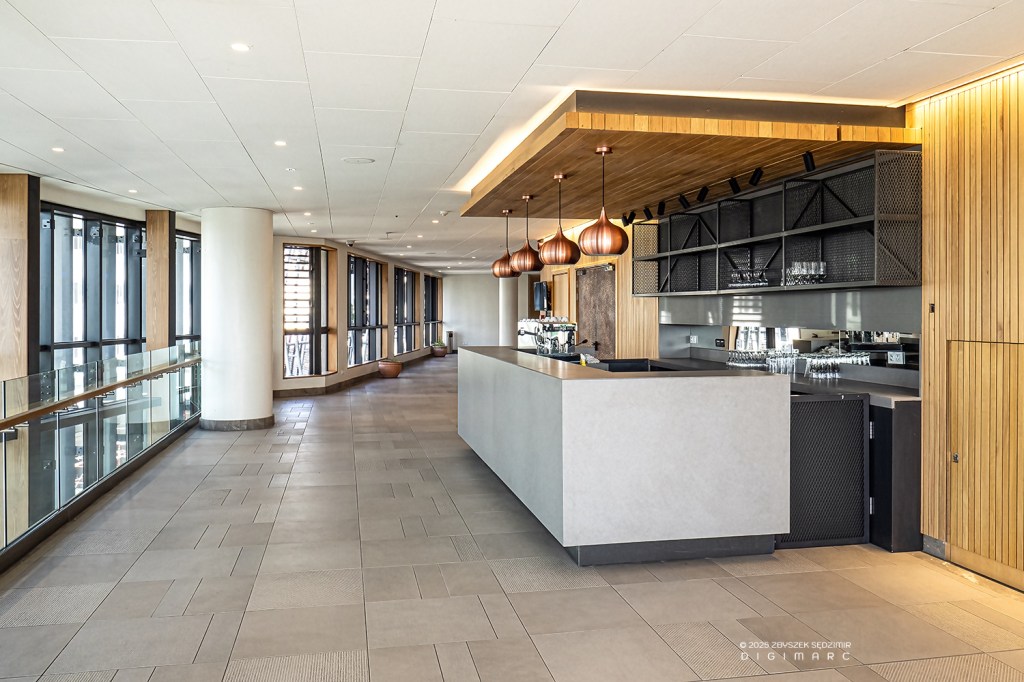
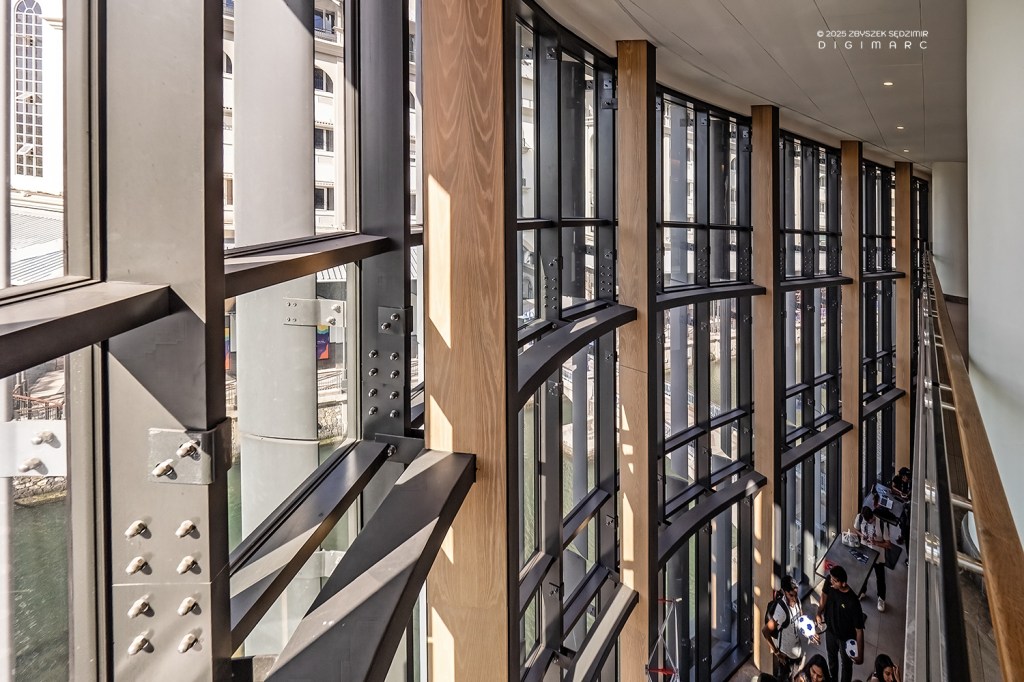
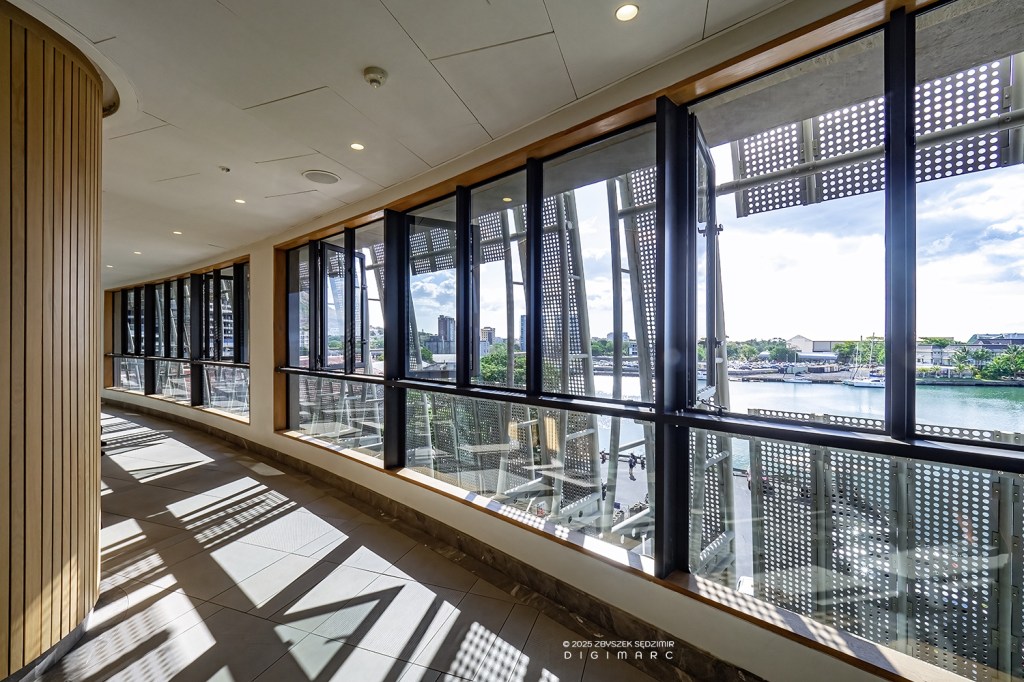
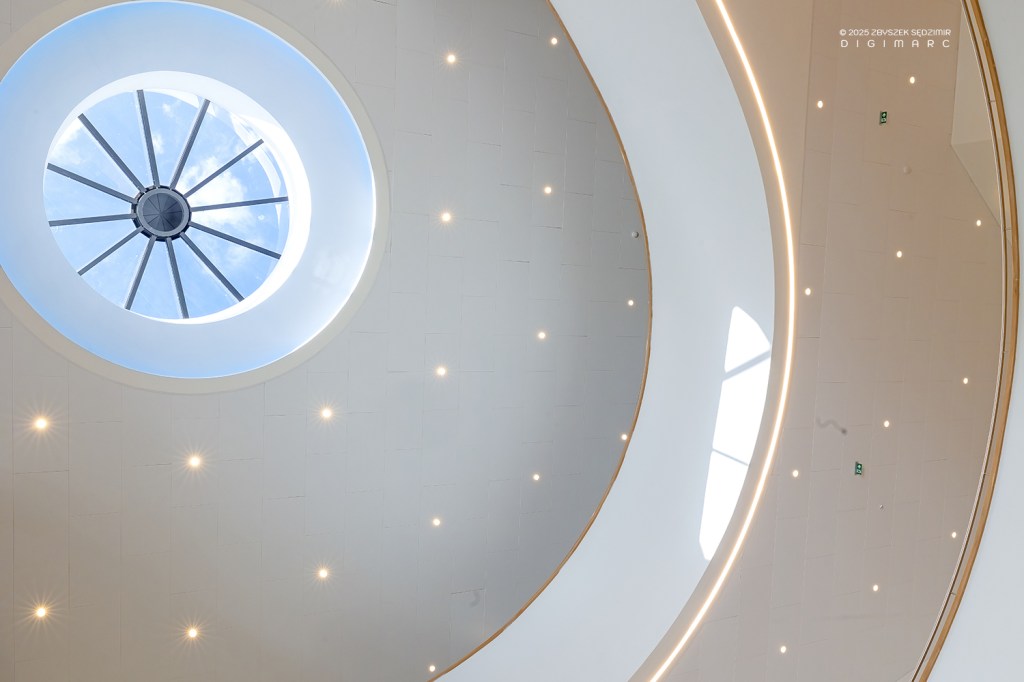
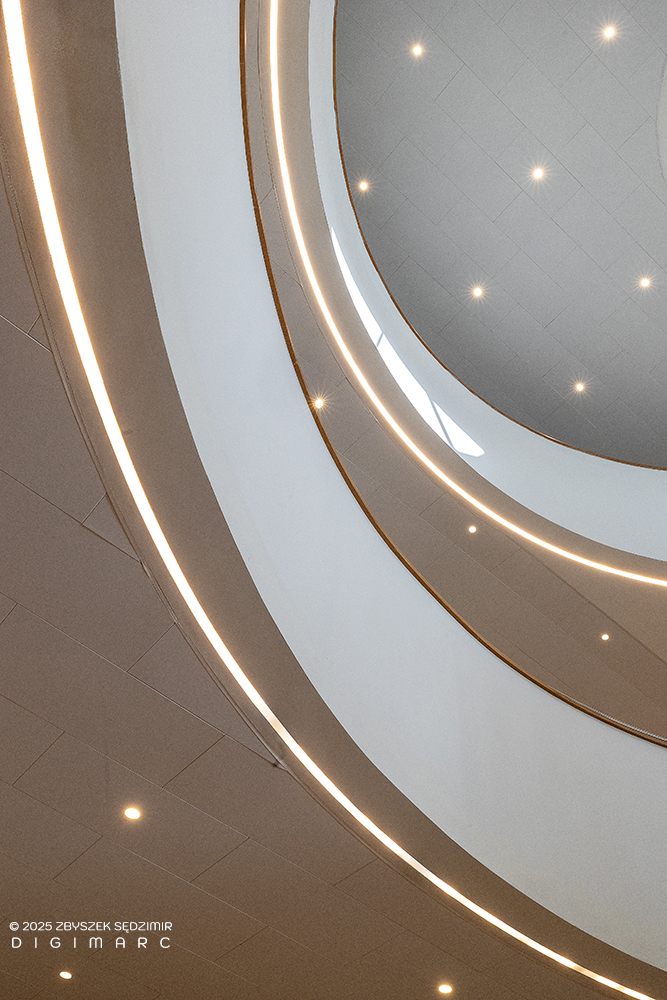
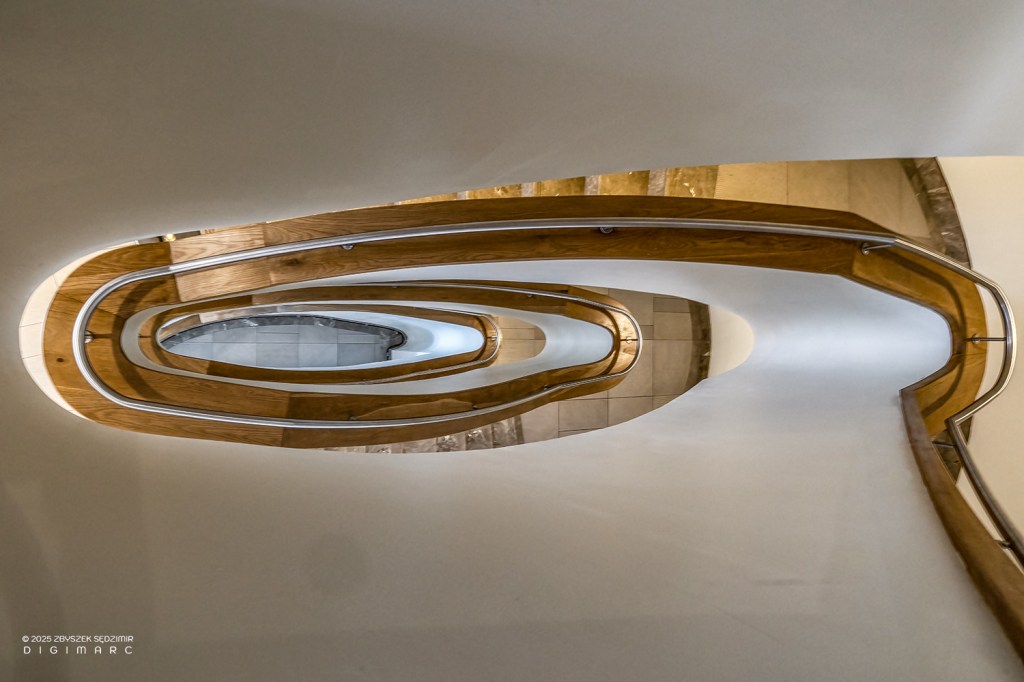
The last of Giraud’s notable contributions to the transformation of Caudan is the Caudan Arts Centre, designed in collaboration with Didier Ho Architecture and Arup Venues UK, and inaugurated in 2018. This cultural venue, featuring state-of-the-art acoustics, hosts concerts, theatre productions, and a variety of artistic events — further cementing Caudan’s role as a major cultural hub on the island.


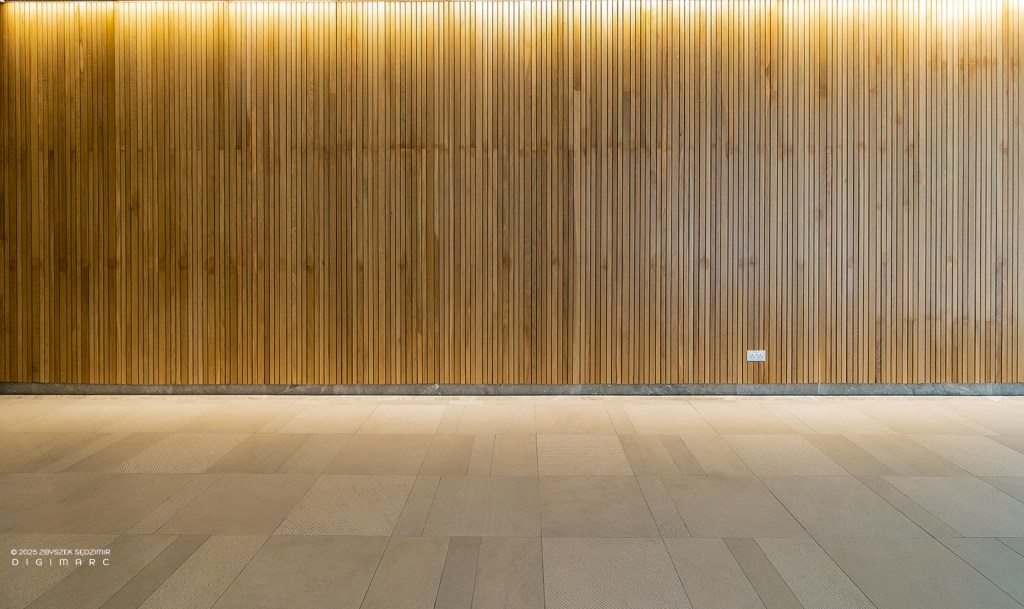
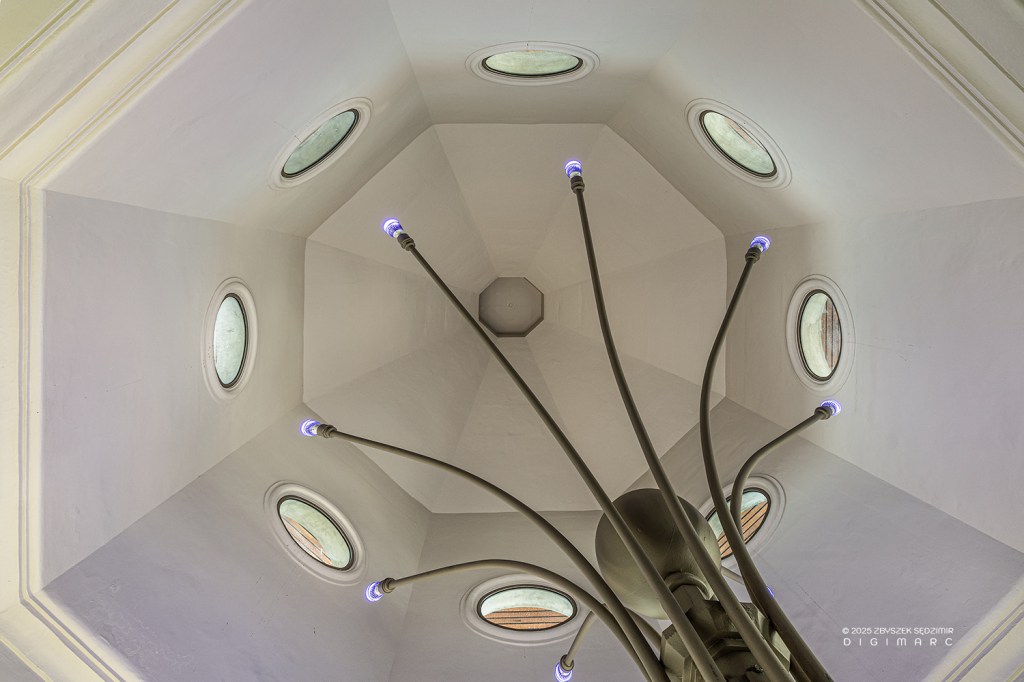
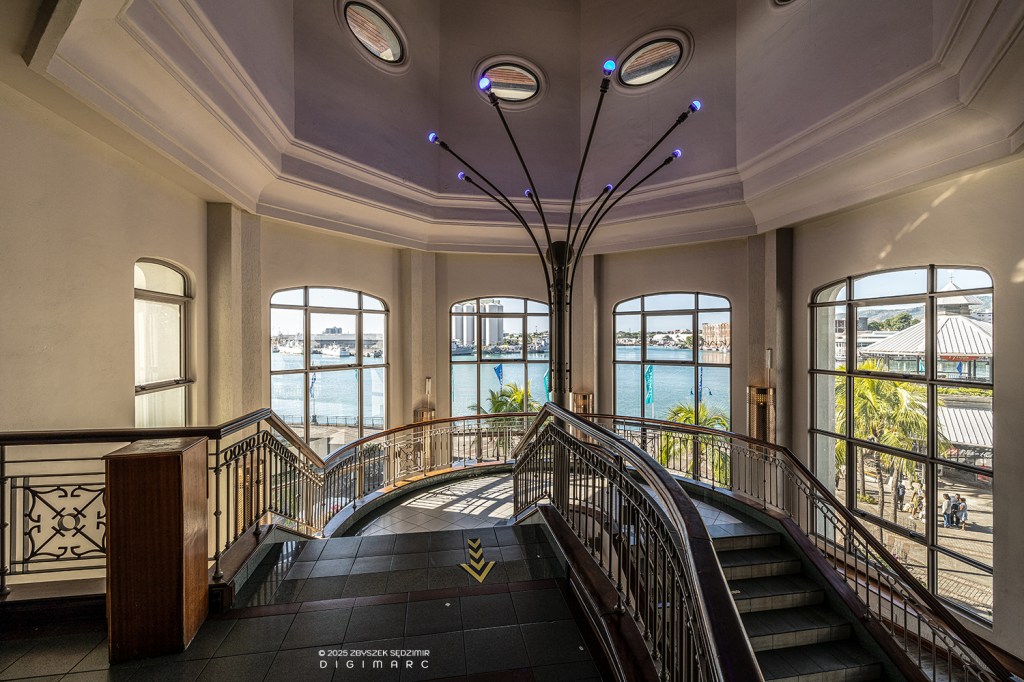
L’Observatoire, 1996

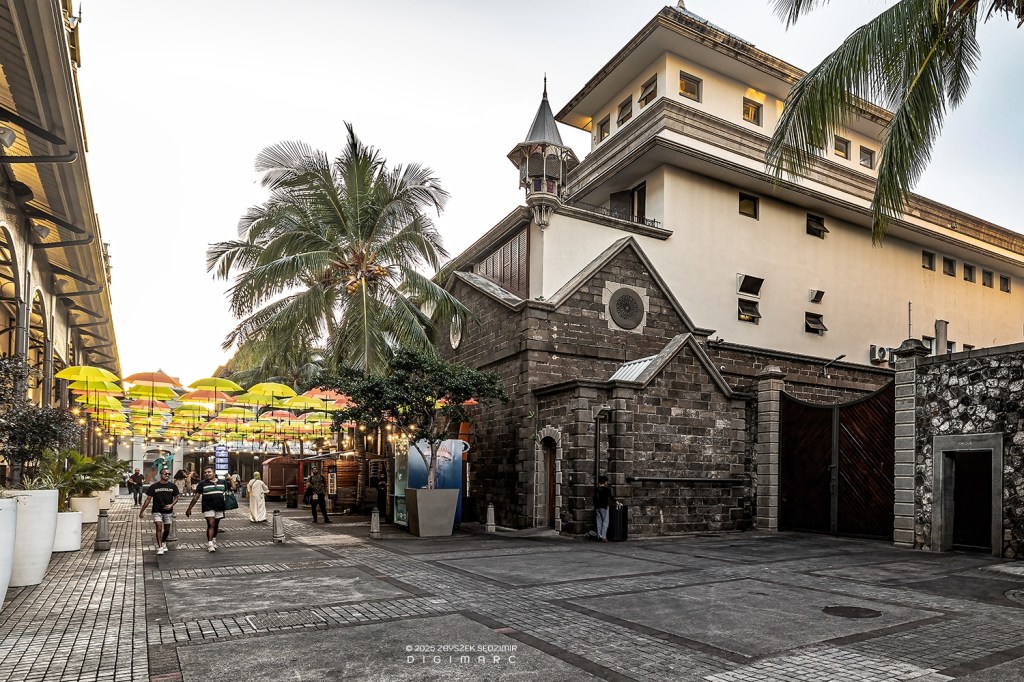
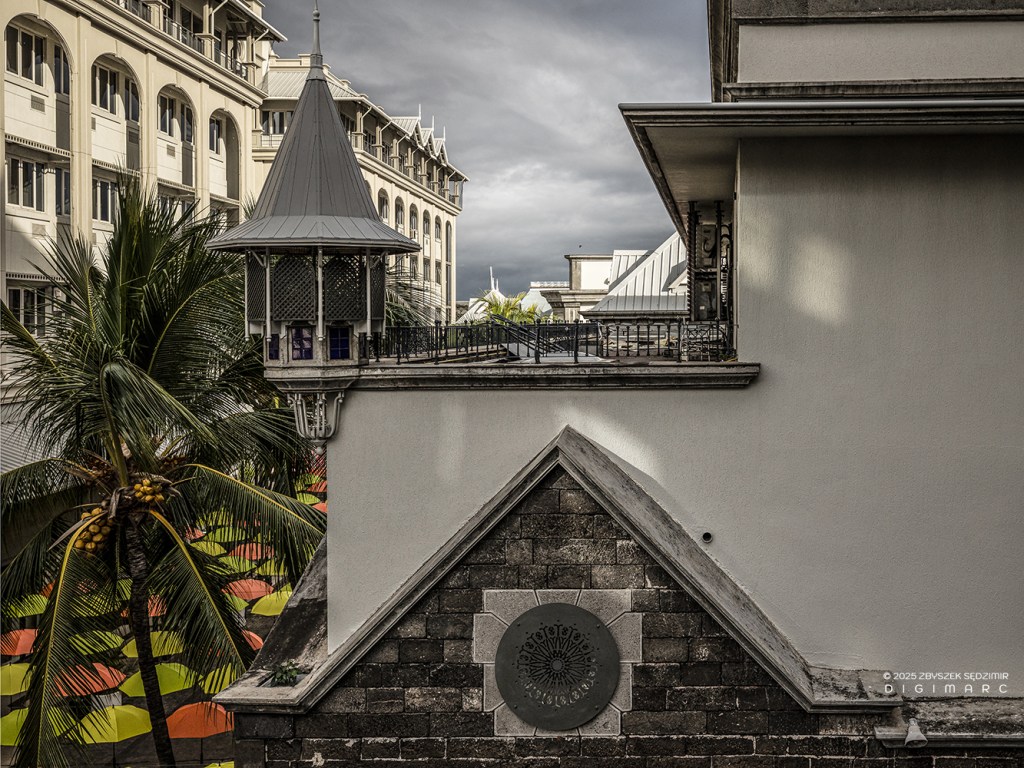
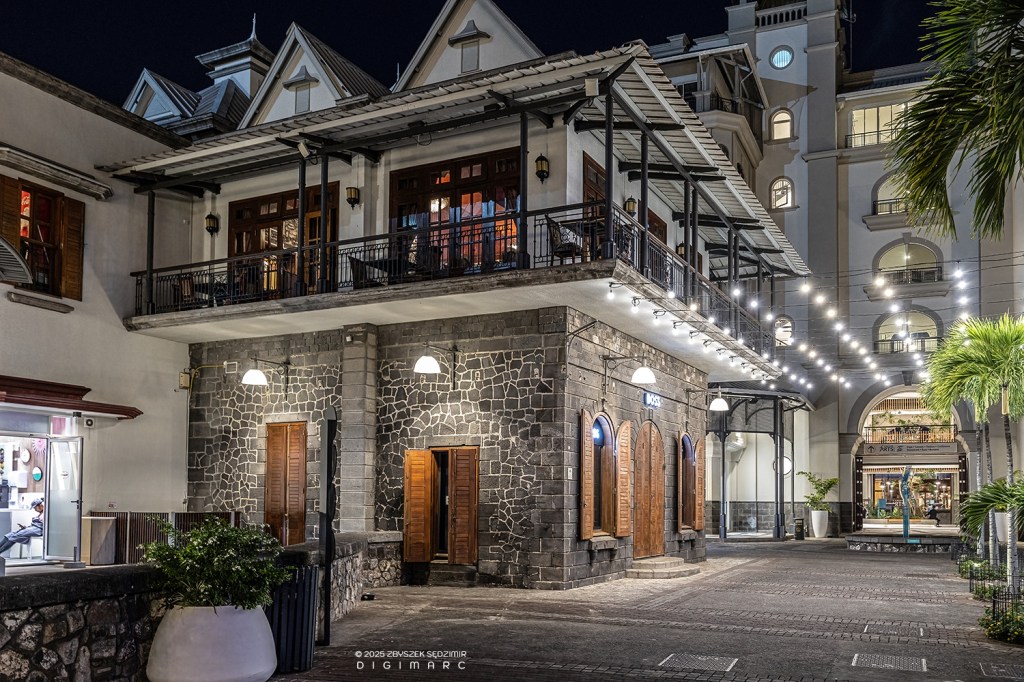
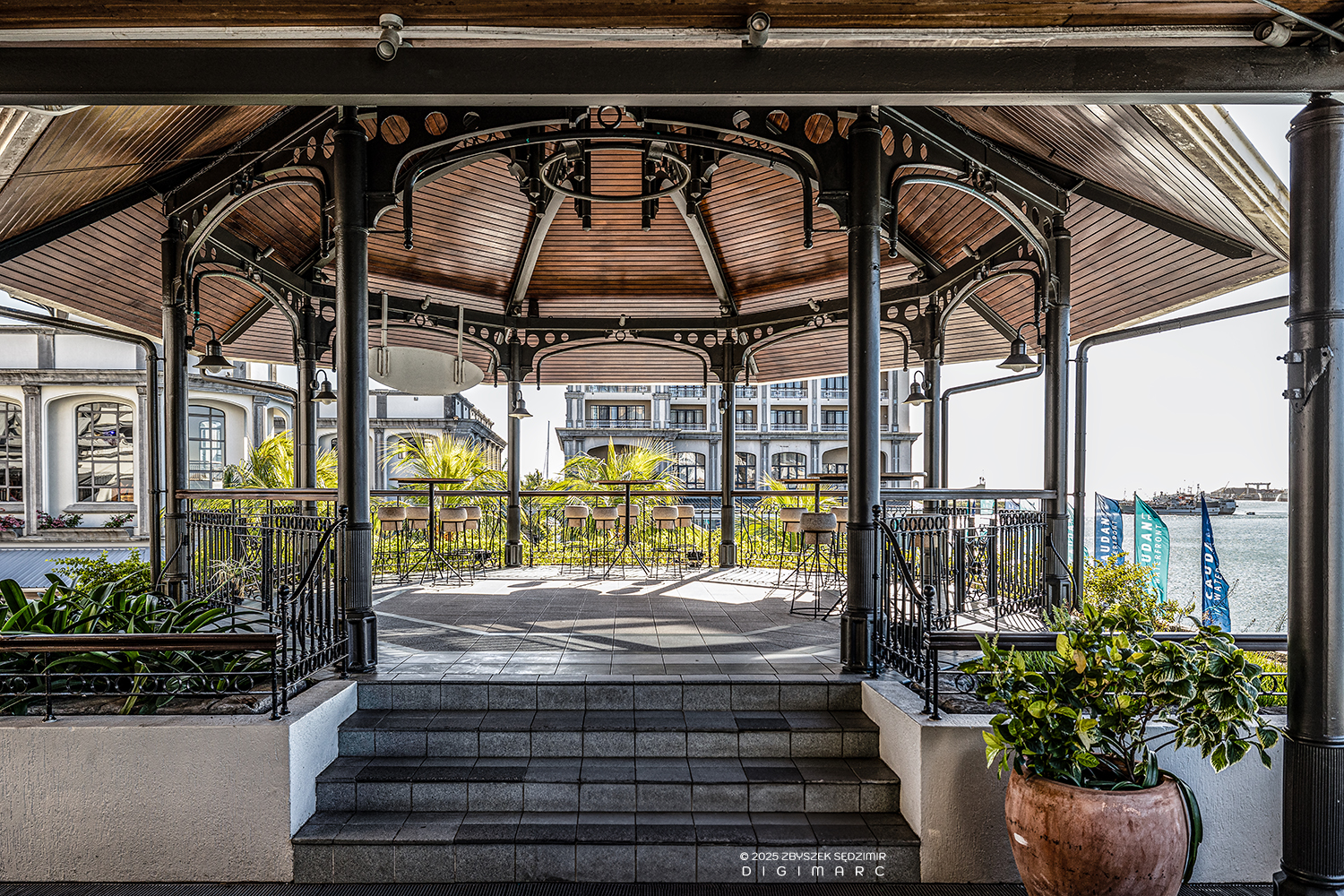

Labourdonnais Waterfront, 1996
Le Pavillon, 1996
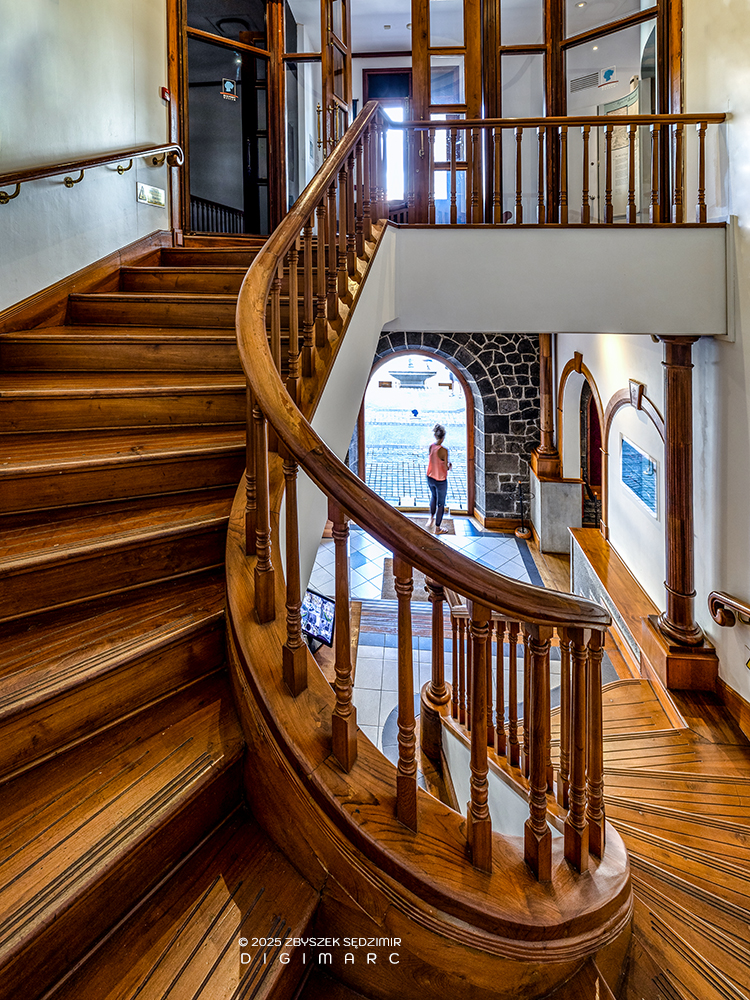
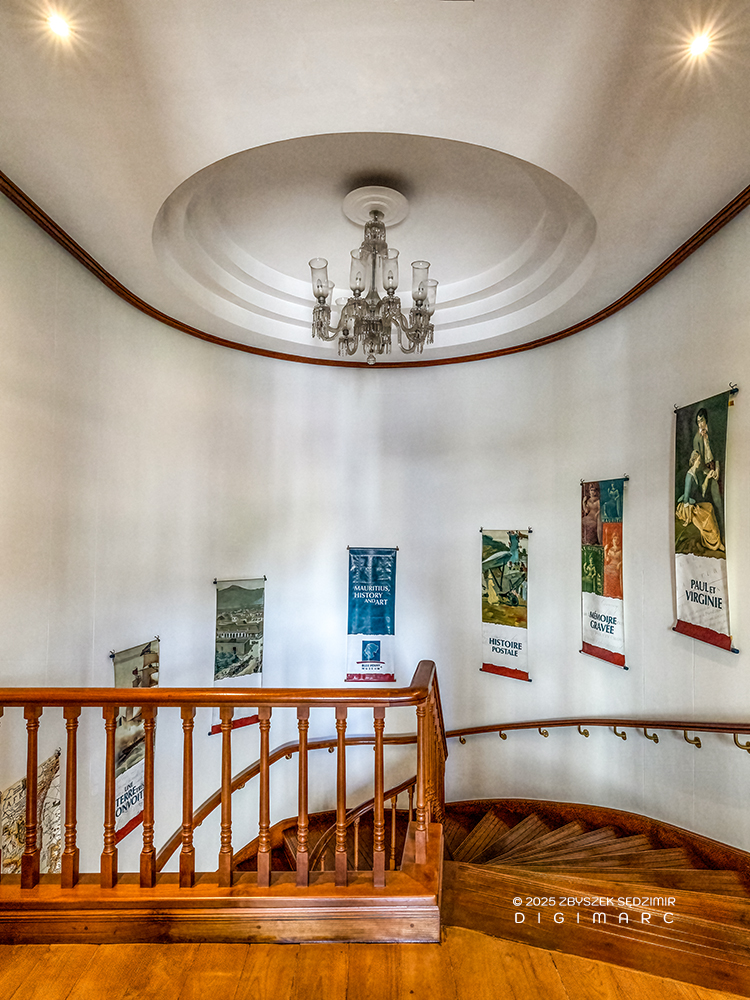
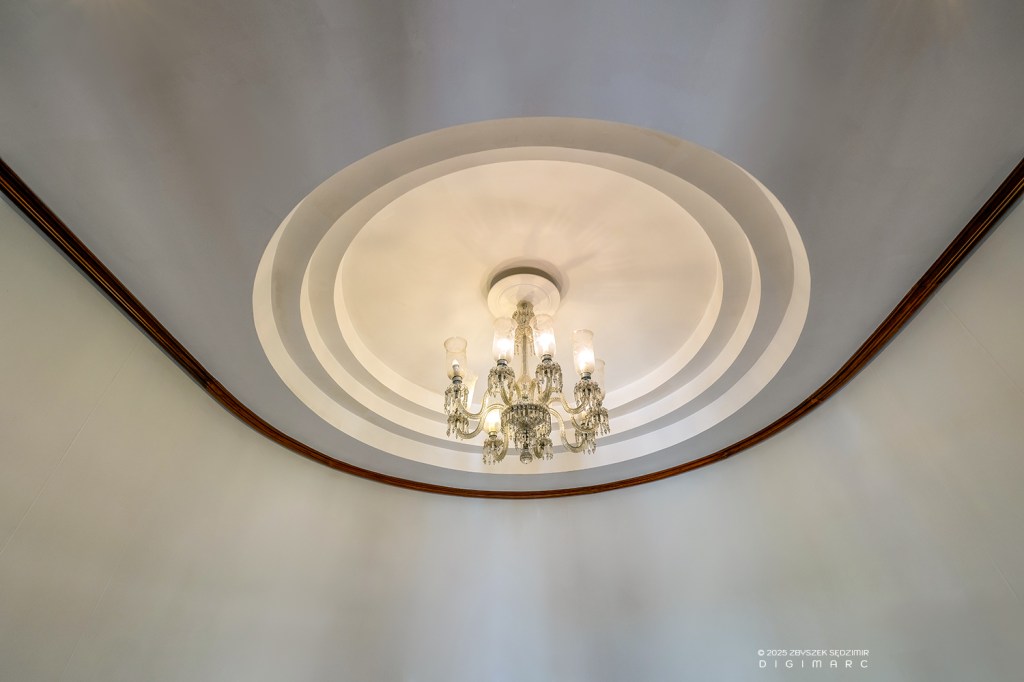
Blue Penny Museum, 1997
Copyright © 2024 Zbyszek SĘDZIMIR, All rights reserved.
For now, only the English version is operational. Please be patient; other language versions will be available soon.
 My Photo Stories